
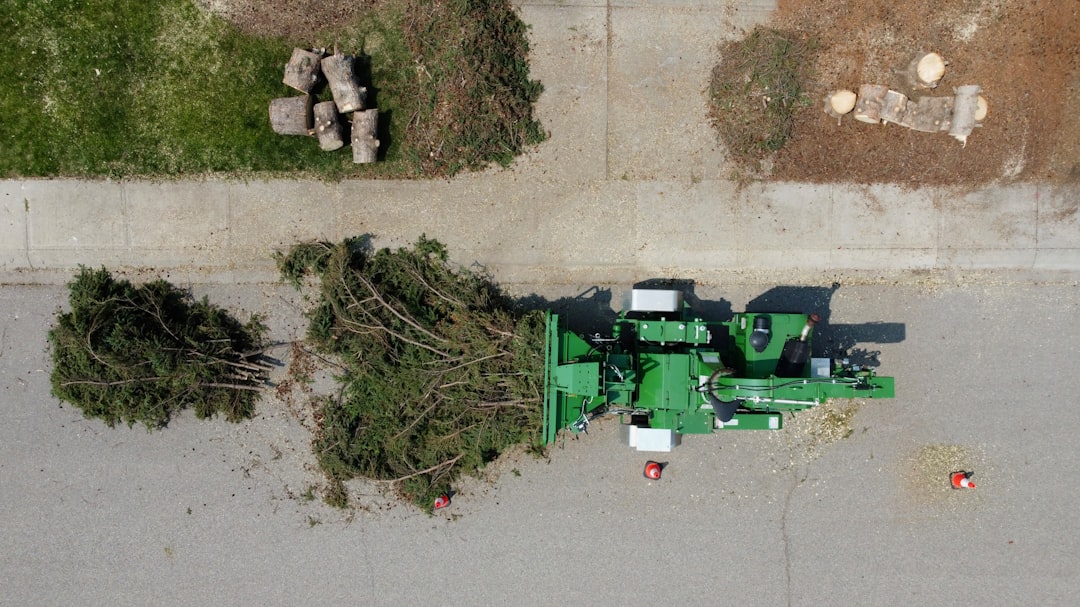
Taming the Jungle: Your Complete Guide to Yard Waste Removal
Why Yard Waste Removal Matters for a Clean, Healthy Yard
Yard waste removal is the process of collecting, preparing, and properly disposing of organic debris from your lawn — including grass clippings, leaves, branches, and shrub trimmings.
Here’s a quick overview of how to handle it:
- Bag or bundle your yard waste in biodegradable paper bags or tied bundles
- Place at the curb by 6 a.m. on your scheduled pickup day
- Follow size and weight limits — most programs cap bags at 40–50 lbs
- Never use plastic bags — most municipal programs won’t collect them
- Keep pet waste separate — it is never accepted in yard waste collection
If your yard feels like it’s fighting back, you’re not alone. Grass grows fast in Southwest Florida’s heat and humidity. Leaves pile up. Branches fall after every storm. And if you have dogs, the yard cleanup challenge doubles.
What many homeowners don’t realize is that yard waste is a bigger deal than it looks. According to EPA data, yard waste makes up roughly 13.5% of all municipal solid waste generated across the United States — that’s over 35 million tons per year. Most of it can be composted or recycled instead of sent to a landfill.
Proper yard waste removal also matters for your family’s safety. Rotting organic debris attracts pests, traps moisture, and can create an unhealthy environment — especially in a warm, wet climate like Southwest Florida.
This guide covers everything you need to know: what counts as yard waste, how to prepare it, when it gets picked up, and what your local options are.
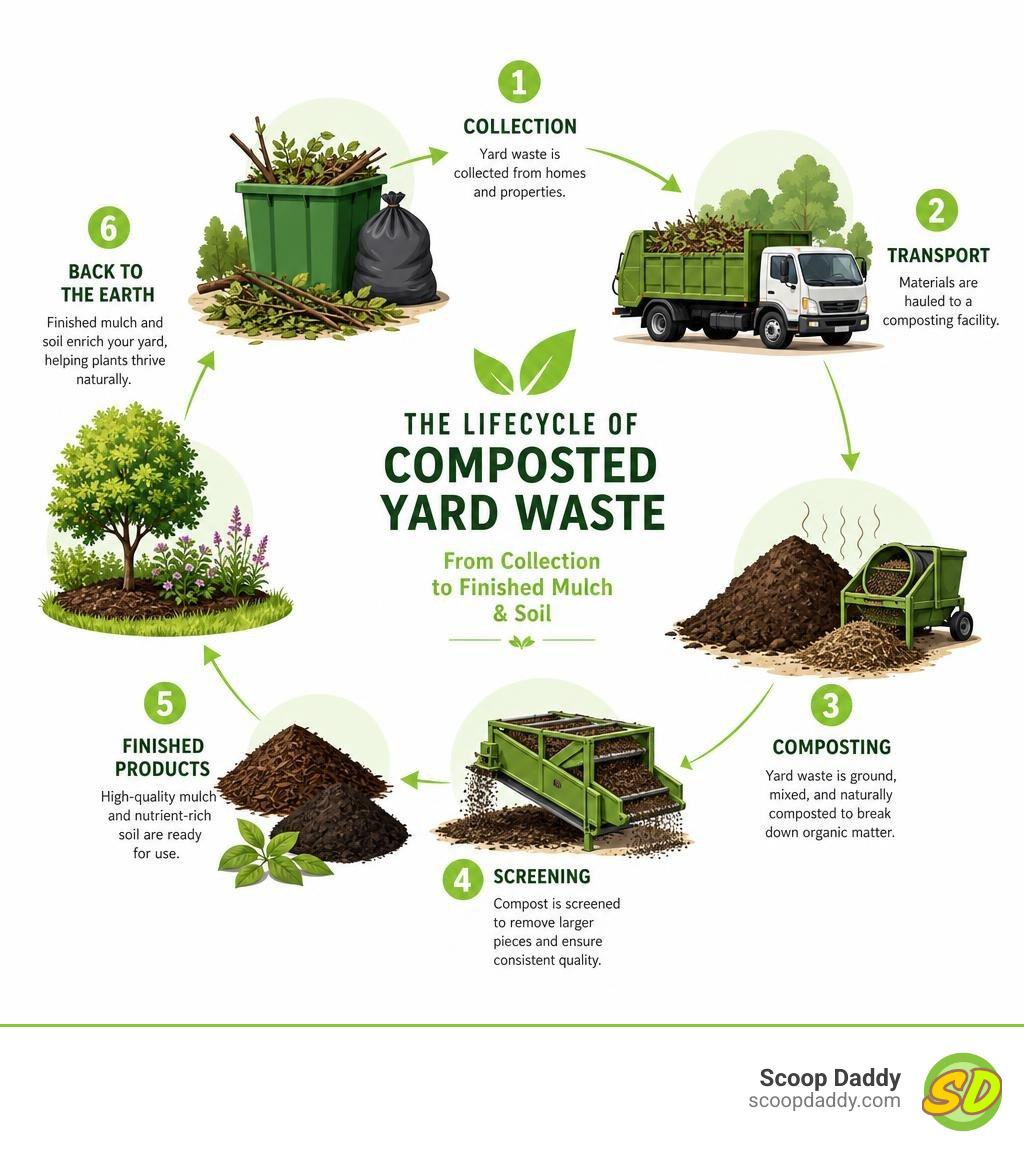
Understanding Yard Waste: Accepted vs. Prohibited Materials
To keep our neighborhoods beautiful and our local ecosystems thriving, we must understand what actually qualifies as yard waste. Municipal waste management programs and private haulers are strict about what they will and will not take.
Mixing non-organic items into your yard waste leads to waste stream contamination. When a truckload of organic material is contaminated with plastic, metal, or chemicals, the entire batch may have to be dumped into a landfill rather than processed into clean, nutrient-rich mulch or compost.
| Accepted Yard Waste Materials | Prohibited Materials (Do Not Include!) |
|---|---|
| Grass clippings & lawn thatch | Plastic bags, plant pots, & seed trays |
| Leaves & pine needles | Dirt, sod, rocks, & heavy clay |
| Branches & tree limbs (under size limits) | Food waste & kitchen scraps |
| Shrubbery, hedge trimmings, & weeds | Treated wood, lumber, & construction debris |
| Palm fronds & fallen coconuts | Pet waste (dog poop, cat litter, etc.) |
The Environmental Impact of Yard Waste Removal
Properly managing our organic debris does wonders for the planet. When yard waste is sent to a landfill, it gets buried under tons of trash. Without oxygen, it decomposes anaerobically, releasing methane—a potent greenhouse gas. However, when we divert yard waste to commercial composting facilities or practice home composting, it decomposes aerobically, which significantly reduces greenhouse gas emissions.
According to municipal composting studies, like those detailed by Yard Waste and Backyard Composting | Saint Paul Minnesota , approximately 25% to 38% of all household waste is compostable. Recycling these materials creates natural soil amendments that help plants absorb nutrients, retain moisture, and fight off local pests and diseases.
Beyond the broad ecological benefits, keeping your yard clear of rotting organic piles directly impacts your home. Debris piles trap stagnant water, creating breeding grounds for mosquitoes, rodents, and snakes. By staying on top of your lawn maintenance and debris removal, you protect your household while boosting your property’s value. In fact, keeping a pristine yard is one of the easiest ways to elevate your neighborhood’s overall aesthetic—a topic we explore deeply in our guide on How Pet Waste Removal Services Help Maintain Property Value and Curb Appeal.
What You Can Put in Your Yard Waste Bin
If you live in Southwest Florida, your weekly yard waste collection is designed to handle the typical green debris generated by routine lawn care.
According to Yard Waste – Lee County , acceptable materials for curbside pickup include:
- Grass Clippings & Leaves: The bread and butter of weekly yard work.
- Palm Fronds: A unique Florida staple. These should be stacked neatly at the curb.
- Branches and Shrub Trimmings: Small limbs and twigs pruned from your backyard bushes.
- Fallen Pine Needles & Cones: Commonly found in our local slash pine canopies.
Prohibited Items: What Cannot Be Processed
It is tempting to throw everything from your weekend landscaping project into one pile, but several items are strictly prohibited from standard yard waste bins:
- Dirt, Rocks, and Sod: These materials are too heavy for standard collection trucks and do not break down in the same way green organic matter does.
- Plastic Bags and Ties: Traditional plastic bags do not compost. They shred into microplastics that ruin compost batches.
- Food Waste: While biodegradable, food scraps are not accepted in standard yard waste collection because they attract vermin and create odor issues.
- Invasive Species: Certain highly aggressive invasive plants can survive the heat of standard composting systems and spread to new areas via the finished mulch. These should often be bagged and disposed of with regular household garbage to prevent ecological spread.
How to Prepare Your Debris for Yard Waste Removal
Preparation is the secret to a stress-free collection day. Municipal crews and private haulers service thousands of homes daily. If your waste isn’t prepared correctly, the truck will drive right past your house.

Bagging and Bundling Guidelines for Curbside Pickup
To ensure your lawn debris is collected, you must follow local bagging and bundling rules.
In our region, the Yard Waste Collection | Fort Myers, FL – City Government guidelines require residents to prepare materials using these standards:
- Use Paper, Not Plastic: Grass clippings, leaves, and small trimmings must be placed in biodegradable paper yard waste bags or loose in a designated, marked container. Plastic bags will be left at the curb.
- Bundle Your Branches: Loose piles of branches are difficult to load. You must tie branches into neat bundles using biodegradable cotton string or natural fiber twine. Do not use wire, nylon, or plastic ties.
- Observe Length and Diameter Limits: Branches must be cut to manageable sizes. Typically, limbs must be under 4 to 6 feet in length and less than 4 inches in diameter.
Weight Limits and Container Requirements
If you prefer not to buy paper bags every week, you can use your own reusable trash cans for yard waste. However, you must label these containers clearly—usually with a “Yard Waste Only” sticker or stencil—so the collection crew knows it isn’t regular household garbage.
Keep these weight and container rules in mind:
- Weight Thresholds: Each bag, bundle, or reusable container must weigh less than 50 pounds (some local municipalities limit this to 40 pounds). If a container is too heavy for a worker to safely lift, it will not be emptied.
- Cart Placement: Set your yard waste containers or bundles at least 3 to 5 feet away from your regular trash and recycling carts. Ensure there is plenty of clearance from mailboxes, parked cars, utility poles, and low-hanging tree limbs.
Curbside Pickup, Drop-Off Sites, and Self-Haul Options
Depending on the size of your weekend project, you have a few different paths to successfully clear out your organic debris.
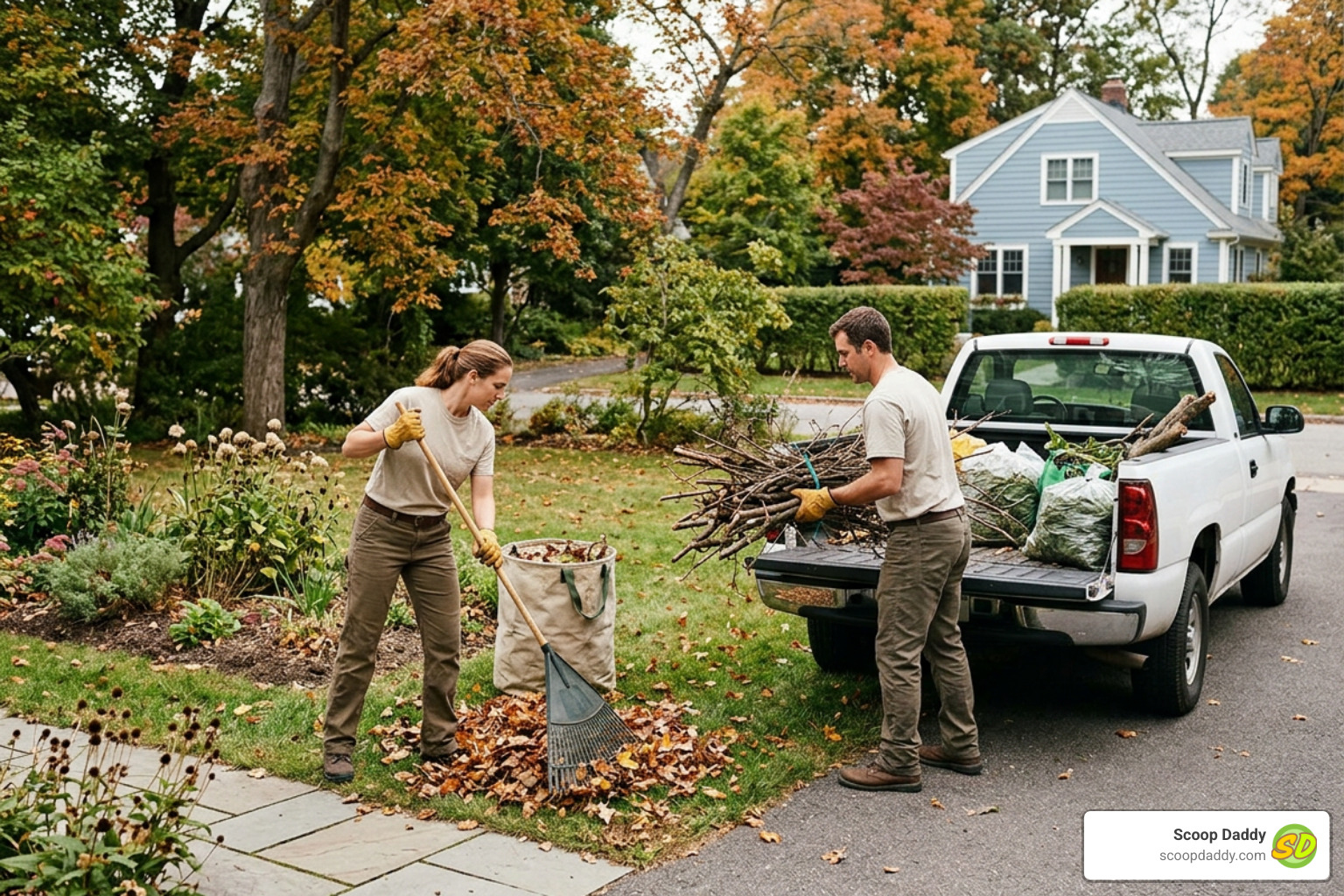
Comparing Your Yard Waste Removal Options
For light weekend pruning, curbside pickup is incredibly convenient. But what happens when you cut down an entire tree or clear out an overgrown jungle of a backyard?
Here is how your options stack up:
1. Curbside Collection
- Pros: Free (included in your local utility taxes/fees); convenient weekly pickup right outside your door.
- Cons: Strict size, weight, and volume limits; requires physical labor to bag and bundle everything yourself.
2. Local Transfer Stations & Drop-Off Sites
- Pros: Handles larger volumes of waste that exceed curbside limits; often free or low-cost for local residents.
- Cons: Requires a truck or trailer to transport the heavy, dirty debris yourself; you must load and unload the vehicle.
3. Private Hauling & Junk Removal Services
- Pros: Zero physical labor on your part; they will haul away massive stumps, heavy logs, and piles of dirt that municipal trucks won’t touch. If you need a reliable local option, you can check out services like Yard Debris Removal Estero, FL | Pickup & Disposal Services to handle the heavy lifting for you.
- Cons: Requires an out-of-pocket fee; must be scheduled in advance.
Seasonal Schedules and Finding Your Collection Day
In Southwest Florida, yard waste collection runs year-round on a weekly schedule, usually on the same day as your recycling or regular trash pickup. However, holiday weeks can disrupt this schedule. Major holidays like Thanksgiving, Christmas, and New Year’s Day typically push collections back by one business day.
To find your exact pickup day and check for any local service alerts, visit your county or city solid waste department website. For Collier County residents, the Horticultural Collections – Naples, FL portal provides direct scheduling calendars, holiday makeup days, and specific guidelines for handling seasonal palm frond drops.
Frequently Asked Questions About Yard Waste
Managing a yard comes with plenty of unique scenarios. Here are the answers to some of the most common questions we hear from local homeowners.
Conclusion: Let Us Handle the Dirty Work
Keeping your yard clean, safe, and beautiful is a multi-step process. While you focus on trimming the hedges, pruning the palms, and preparing your green debris for weekly yard waste removal, let us take care of the messiest job on your lawn.
At Scoop Daddy, we provide professional, reliable, and tech-driven pet waste removal services for residential and commercial properties throughout Southwest Florida—including Fort Myers, Naples, Estero, and Bonita Springs. We know that a pet-friendly backyard requires consistent care to stay safe and odor-free. Our professional technicians ensure your lawn remains free of harmful pathogens, preserving your property value and keeping your family safe.
Ready to reclaim your free time and enjoy a pristine backyard? Check out our Blog for more expert lawn care tips, read The Ultimate Guide to a Pet-Friendly Backyard in Florida, or look for the 5 Signs It’s Time to Hire a Professional Pet Waste Removal Service.
If you’re ready to save time and skip the scoop, discover Why Professional Dog Poop Cleanup Is a Must-Have Time Saver and schedule your service today at https://scoopdaddy.com/!
⚠️ Custom BlogPosting Schema Below – Do Not Delete
You May Like

Dog Poop is Not Fertilizer: How to Keep Your Yard Safe and Clean
The Big Myth About Lawn Health and Pet Waste How Waste Breeds Bacteria and Dog Poop Diseases Beyond the Scoop: The Importance of Yard Sanitization Protect Your Home With Scoop Daddy Frequently Asked Questions (FAQ) As a pet parent, your dog is part of your family. You ensure they have
Read More
Why Professional Dog Poop Cleanup Is a Must-Have Time Saver
Why Professional Dog Poop Cleanup Beats DIY Southwest Florida Pooper Scooper: Specialized for Our Climate Keep Your Lawn Manicured More Easily and Consistently Reclaim Your Weekends With a Comprehensive Yard Waste Removal Service Frequently Asked Questions (FAQ) Time is the only resource you cannot buy more of. For the Southwest
Read More
The Ultimate Guide to a Pet-Friendly Backyard in Florida
Florida-Friendly Landscaping for Pet Owners The Scoop on Odor Control Dealing with Florida Critters and Pests Setting Up a Potty Zone Routine Yard Maintenance Tips Scoop Daddy Makes It Simple Frequently Asked Questions Florida-Friendly Landscaping for Pet Owners Creating a pet-friendly yard in Florida starts with choosing the right plants
Read More