
How to Get a Clean Yard and Keep It That Way
A Clean Yard Starts With the Right Plan
Clean yard landscaping is about more than just mowing the grass. It’s the combination of smart design, regular maintenance, and the right cleanup habits that keep your outdoor space looking sharp — and feeling safe for your family and pets.
Quick answer: How do you get a clean, minimalist yard?
- Remove all debris – Clear leaves, dead plants, sticks, and waste before anything else
- Define your beds – Use edging to create clean lines between lawn and garden areas
- Mulch generously – Apply 1–3 inches of mulch to suppress weeds and retain moisture
- Keep it simple – Choose low-maintenance, climate-appropriate plants to reduce upkeep
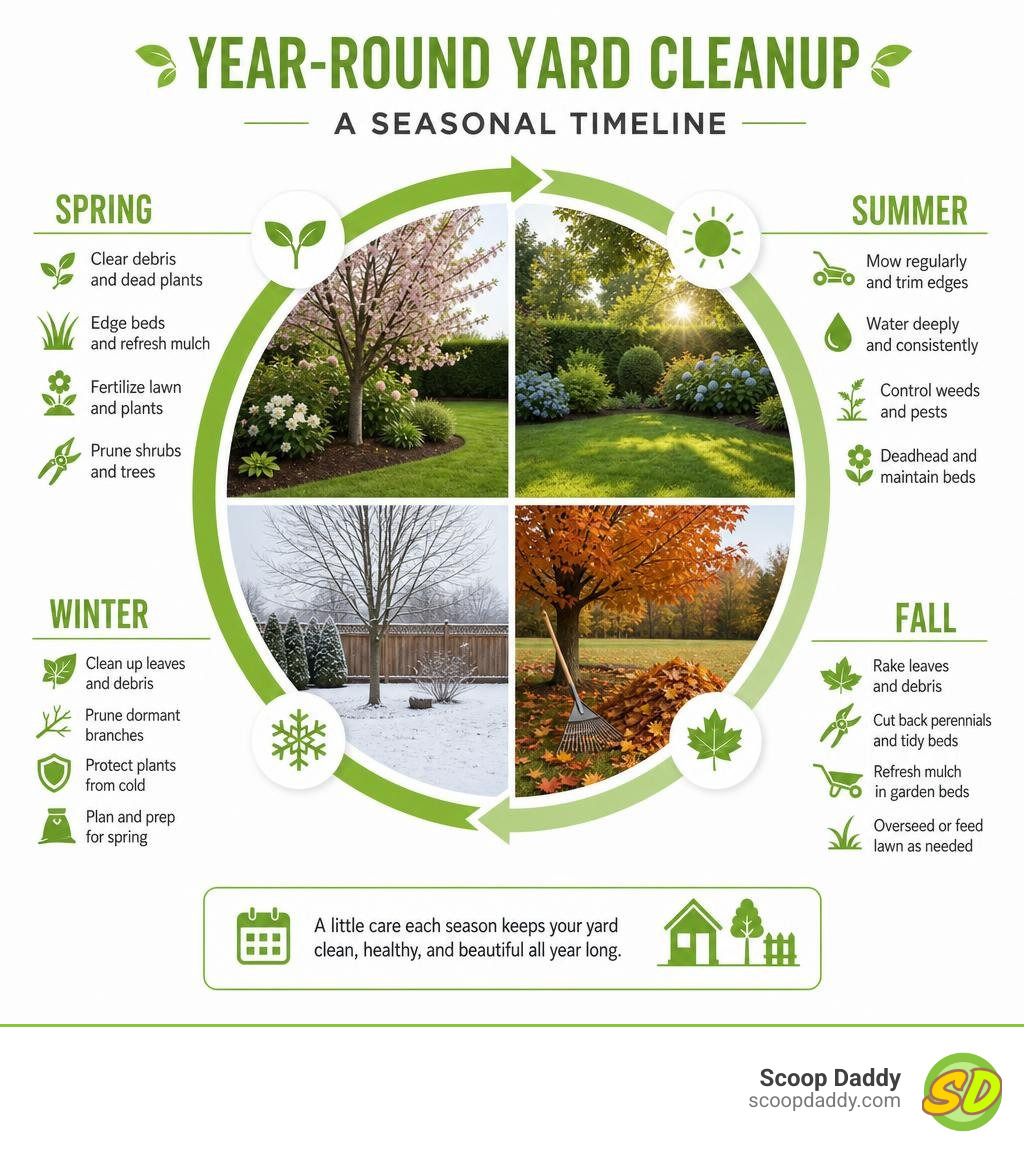
- Maintain a routine – Schedule seasonal cleanups (spring and fall) plus regular mowing and trimming
- Remove pet waste promptly – Dog waste left behind damages grass, breeds bacteria, and ruins curb appeal
If you’re a homeowner in Southwest Florida, you already know the challenge. The heat, the humidity, the fast-growing weeds — and if you have dogs, the constant battle against pet waste in your yard. It adds up fast.
The good news? A clean, low-maintenance yard is absolutely achievable. You just need a clear system.
Research backs this up: a well-maintained lawn can increase your home’s property value by up to 20%, and over 60% of homeowners say a tidy yard is a top factor when judging neighborhood appeal. That’s a real return on a little consistent effort.
This guide walks you through everything — from design and seasonal cleanup to pet waste management and when to call in the pros.
Designing and Maintaining Clean Yard Landscaping
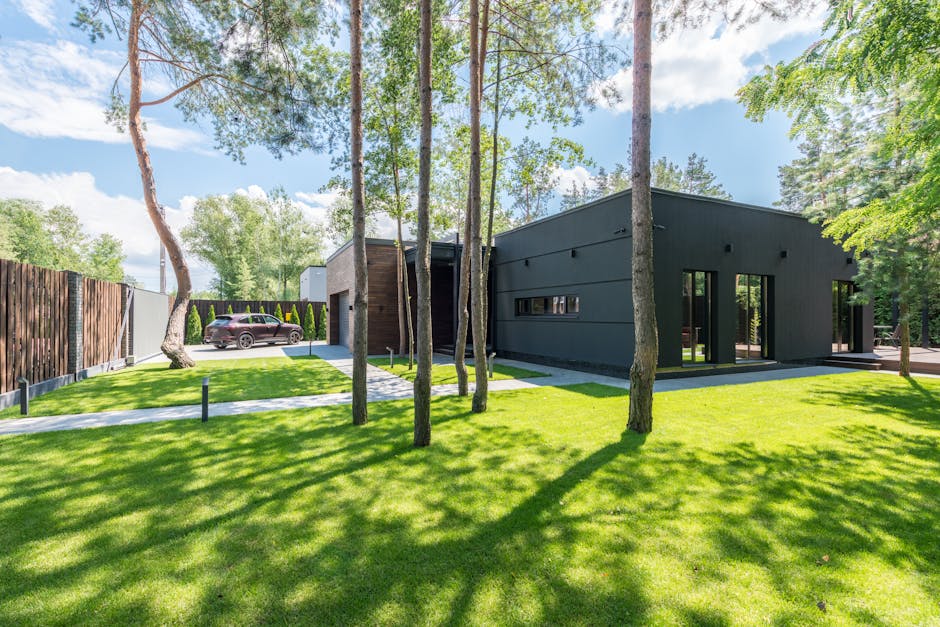
When we talk about clean yard landscaping, we are aiming for a minimalist, modern aesthetic that looks pristine without requiring you to spend every waking hour of your weekend with a shovel in hand. Minimalist landscape design relies on strong structural lines, defined borders, and uncluttered spaces.
To achieve this look, you must start from the ground up—literally.
Soil Health and Climatic Adaptations
In Southwest Florida, our soil is predominantly sandy, which means water and nutrients drain away incredibly fast. Without proper soil health, your grass will struggle, leaving bare patches that invite opportunistic weeds to move in. To build a resilient lawn, we recommend regularly top-dressing your turf with a thin layer of organic compost or soil conditioner. This helps the soil retain moisture and beneficial nutrients, giving your grass the strength it needs to choke out weeds naturally.
Choosing Native, Climate-Smart Plants
A common mistake is selecting plants that look stunning in a climate-controlled big-box store but collapse during a humid July week in Fort Myers or Naples. For a truly low-maintenance, clean yard, you should choose native plants that thrive in our specific heat and soil conditions. Some excellent choices include:
- Coontie Palms: Low-growing, highly drought-tolerant, and structurally clean.
- Fakahatchee Grass: Perfect for adding height and soft movement along fence lines.
- Bougainvillea: Provides vibrant splashes of color while requiring minimal water once established.
By grouping these plants into clearly defined beds, you prevent the cluttered look of scattered plantings.
However, even the most beautifully designed yard can quickly lose its appeal if it is littered with unsightly pet waste. Beyond the obvious odor and aesthetic issues, leaving pet waste on your lawn actively damages your grass. The high nitrogen content in dog poop burns the turf, leaving yellow spots and bare patches that ruin your clean aesthetic. To understand how clean practices protect your investment, read about How Pet Waste Removal Services Help Maintain Property Value and Curb Appeal.
Essential Tools for Clean Yard Landscaping
To maintain clean, crisp borders and a healthy lawn, you need the right tools on hand. You don’t need a commercial shed full of heavy machinery, but investing in a few high-quality basics will save you hours of frustration.
- Lawn Mowers: A reliable mower with sharp blades is essential. Dull blades tear the grass rather than cutting it cleanly, leaving brown, frayed tips that make your lawn look dry and unhealthy.
- Battery-Powered Trimmers: Lightweight, battery-powered string trimmers have revolutionized home yard care. They eliminate the hassle of mixing gas, pulling starter cords, or dragging long extension cords around the yard. They are perfect for cleaning up lawn edges around garden beds and walkways. That robotic mowers, while convenient, cannot reach tight lawn edges and borders, making a manual trimmer an absolute necessity for that manicured finish.
- Rakes and Debris Grabbers: A sturdy rake is vital for gathering fallen leaves, twigs, and small debris.
- Core Aerators: Over time, foot traffic and heavy rains compact Florida’s sandy soil. A core aerator removes small plugs of soil, allowing water, oxygen, and nutrients to penetrate deep into the root zone.
Step-by-Step Guide to Clean Yard Landscaping Prep
Before you can install new mulch, plant seasonal flowers, or lay down fresh sod, you must prepare the canvas. Skipping prep work is the fastest way to guarantee weeds and pests ruin your hard work within a few weeks. Follow this step-by-step preparation routine:
Step 1: Deep Debris Removal
Walk your entire property and collect all physical debris. This includes fallen palm fronds, twigs, pine cones, and trash. Be sure to check along fence lines and behind large shrubs where debris tends to pile up.
Step 2: Dethatching
Thatch is a layer of dead grass, roots, and organic matter that accumulates between the green vegetation and the soil surface. To check if your lawn needs dethatching, perform a quick “thatch test.” Gently dig up a small wedge of turf and measure the brown layer just above the soil. If this layer is thicker than half an inch, it is blocking water, air, and fertilizers from reaching the root system. Use a specialized dethatching rake or a power rake to thin this layer out, allowing your lawn to breathe.
Step 3: Soil Aeration and Top Dressing
Once the thatch is removed, aerate your lawn to relieve soil compaction. Follow this up by spreading a thin layer of compost or organic soil conditioner over the grass. This process fills the newly created air pockets with nutrient-rich material, dramatically improving the density and color of your turf.
Reminder Regarding Pet Waste
Never run a lawn mower, aerator, or dethatcher over a yard that has not been thoroughly cleared of pet waste. Doing so will shred the waste and spread harmful bacteria across your entire lawn, creating a health hazard for your family.
If you want to design a safe, clean, and fun environment for your four-legged family members, check out The Ultimate Guide to a Pet-Friendly Backyard in Florida.
Seasonal Cleanup and Post-Cleanup Landscaping Tasks
In Southwest Florida, our seasons do not follow the traditional northern calendar. Instead, our landscaping routines are dictated by the wet season (summer) and the dry season (winter).
Spring Cleanup: Preparing for the Summer Growth Spurt
As we head into the warmer, humid months of late spring, your lawn and plants prepare for an explosion of growth. Spring cleanup is all about setting up your yard to handle the intense summer heat and daily rains. This is the ideal time to prune dead wood from shrubs, clear out winter leaf accumulation, and apply a fresh layer of pre-emergent weed control.
Fall Cleanup: Prepping for the Dry Season
In the fall, growth slows down. This is the time to rake fallen leaves, cut back overgrown perennials, and prepare your irrigation system for the drier winter months.
The Power of Mulching and Edging
Once your beds are clean and free of weeds, it is time to apply the finishing touches that truly define clean yard landscaping:
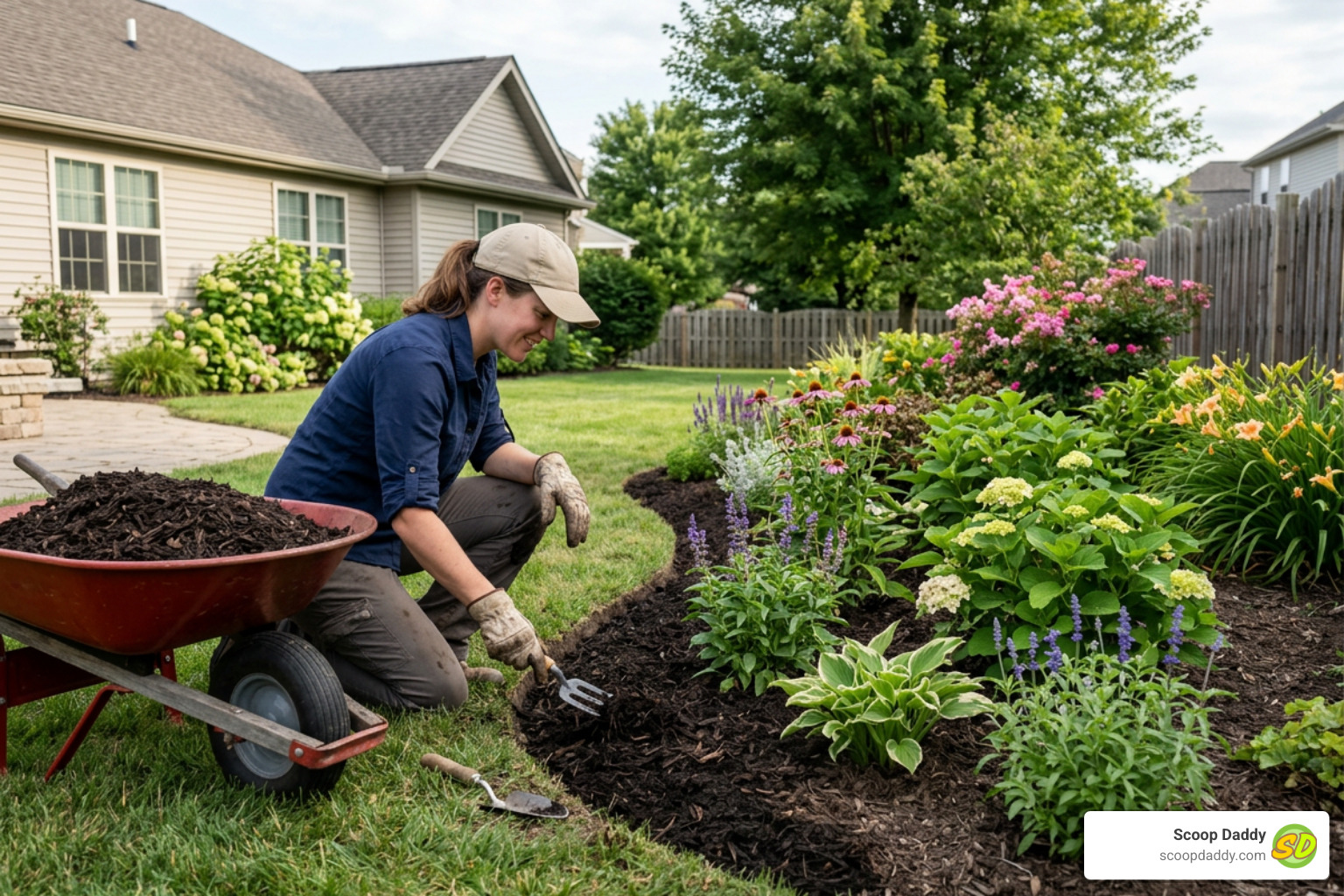
- Edging: Create clean, defined borders between your lawn and garden beds. Use a spade or a mechanical edger to cut a sharp, vertical edge. Curved, flowing bed shapes look incredibly modern and help guide the eye through your landscape.
- Mulching: Spread a fresh layer of organic mulch between 1 and 3 inches thick. Mulch is a powerhouse in the garden—it retains soil moisture, regulates root temperatures, and prevents weed seeds from receiving sunlight. Be careful not to pile mulch directly against the trunks of trees or the stems of plants, as this can trap moisture and cause rot.
Preventing Weeds, Pests, and Bare Patches
A clean yard is a healthy yard. When your turf is dense and thick, there is simply no room for weeds to take root. However, maintaining that density requires a proactive prevention strategy.
- Pre-Emergent Herbicides: The most effective way to manage weeds is to stop them before they even sprout. Apply a pre-emergent weed killer in the early spring and fall to create a barrier in the soil that prevents weed seeds from germinating.
- Smart Watering: Lawns generally need about an inch of water per week, either from rainfall or irrigation. It is much better to water deeply once or twice a week than to water lightly every day. Deep watering encourages roots to grow deep into the soil, making your lawn much more drought-resistant.
- Mowing Heights: Never cut off more than one-third of the grass blade during a single mowing session. For common Florida grasses like St. Augustine, keeping the grass slightly taller (around 3.5 to 4 inches) helps shade the soil, reducing water evaporation and preventing weed seeds from getting the light they need to grow.
- Pest Control: Keep a close eye out for common Florida lawn pests like chinch bugs and sod webworms, which can cause large brown patches overnight.
DIY vs. Professional Yard Cleanup Services
Taking care of your yard can be incredibly rewarding, but it is also physically demanding and highly time-consuming. Many homeowners start a DIY cleanup project only to find themselves exhausted, sore, and surrounded by piles of green waste they have no easy way to transport to a disposal facility.
Here is a quick comparison to help you decide which route is best for your home:
| Feature | DIY Yard Cleanup | Professional Yard Cleanup |
|---|---|---|
| Time Commitment | High (takes up entire weekends) | Low (completed in a few hours) |
| Equipment Cost | High (purchasing/renting specialized tools) | None (included in service) |
| Physical Effort | High (heavy lifting, bending, raking) | None |
| Debris Disposal | Difficult (must bag, haul, and pay dump fees) | Seamless (hauled away by the crew) |
| Results | Variable (depends on experience and tools) | Consistent, manicured, and professional |
If you have a busy schedule, outsourcing your yard maintenance allows you to reclaim your weekends so you can actually sit back and enjoy your outdoor space. This is especially true when it comes to the messy, repetitive tasks like pet waste removal. To see how much time you could save, check out Why Professional Dog Poop Cleanup is a Must-Have Time Saver.
Frequently Asked Questions About Yard Maintenance
How often should homeowners schedule yard cleanups?
For the best results, we recommend scheduling a comprehensive yard cleanup at least twice a year: once in the spring to prepare for the summer growth surge, and once in the fall to tidy up before the dry winter season. In between these major cleanups, routine maintenance like mowing, trimming, and edging should be done weekly or bi-weekly depending on the speed of growth.
How does proper yard cleanup improve property value?
First impressions are everything. A tidy, well-manicured yard signals to potential buyers that the rest of the property has been cared for with the same level of attention. Investing in professional lawn care and cleanup services regularly yields an average 150% return on investment in terms of curb appeal and overall home valuation.
Conclusion
Achieving beautiful, clean yard landscaping is a continuous process of smart design, consistent maintenance, and hygienic habits. By choosing the right native plants, establishing crisp bed lines, and staying on top of seasonal debris, you can easily create an outdoor oasis that enhances your home’s curb appeal and provides a safe place for your family to gather.
But let’s be honest—life gets busy, and the last thing you want to do after a long work week is spend your Saturday morning scooping pet waste off the lawn.
That is where we come in. At Scoop Daddy, we provide professional, reliable pet waste removal services for homes and commercial properties throughout Southwest Florida, including Fort Myers, Naples, Estero, and Bonita Springs. Our tech-driven scheduling makes it incredibly easy to set up recurring service, so you never have to worry about stepping in an unpleasant surprise again. We show up on time, clean your yard thoroughly, and leave your property fresh and safe.
Ready to reclaim your weekend and enjoy a truly spotless lawn? Get professional pet waste removal services from Scoop Daddy today!
You May Like

The Ultimate Guide to a Pet-Friendly Backyard in Florida
Florida-Friendly Landscaping for Pet Owners The Scoop on Odor Control Dealing with Florida Critters and Pests Setting Up a Potty Zone Routine Yard Maintenance Tips Scoop Daddy Makes It Simple Frequently Asked Questions Florida-Friendly Landscaping for Pet Owners Creating a pet-friendly yard in Florida starts with choosing the right plants
Read More
5 Signs It’s Time to Hire a Professional Pet Waste Removal Service
Your Yard’s Starting to Smell… Ruff Poop Patrol Is Eating Up Your Free Time Piles Are Popping Up in Sneaky Spots You’re Worried About Germs (and You Should Be) You Want a Stress-Free Scoop Schedule Time to Call in the Pros: Why Scoop Daddy Is Your Backyard Bestie Dog parents,
Read More
Why Professional Dog Poop Cleanup Is a Must-Have Time Saver
Why Professional Dog Poop Cleanup Beats DIY Southwest Florida Pooper Scooper: Specialized for Our Climate Keep Your Lawn Manicured More Easily and Consistently Reclaim Your Weekends With a Comprehensive Yard Waste Removal Service Frequently Asked Questions (FAQ) Time is the only resource you cannot buy more of. For the Southwest
Read More