
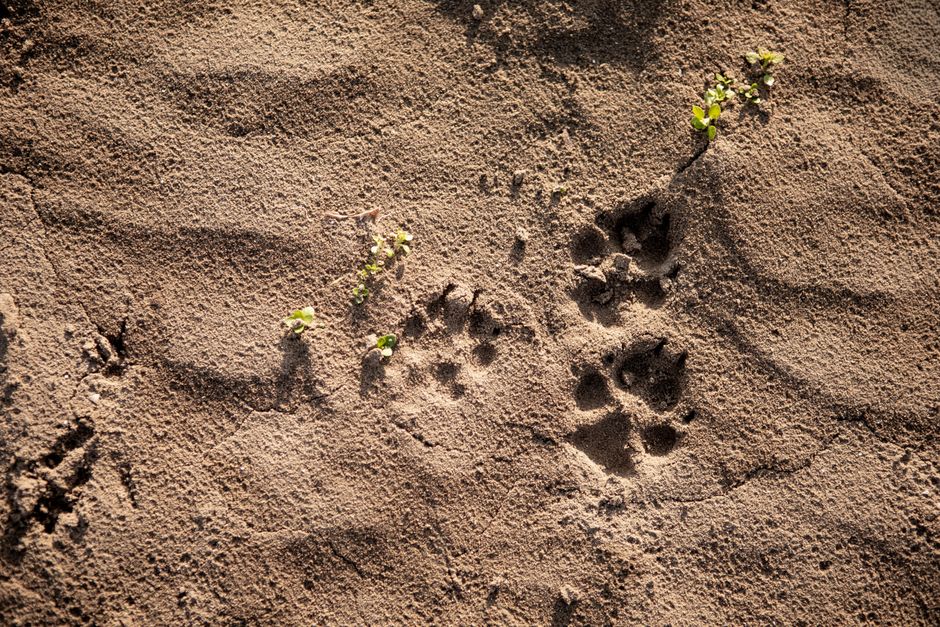
The Ultimate Guide to Dog Poop Garden Disposal Solutions
Why a Dog Poo Garden Strategy Fails as Natural Fertilizer
Many gardeners look at their lush flower beds and wonder if canine waste can serve the same purpose as cow or horse manure. It feels intuitive: animals produce waste, manure enriches soil, so why not let nature take its course? Unfortunately, this assumption overlooks fundamental biological realities.
Canine waste is not an organic soil booster; it is an acidic, highly concentrated byproduct of a carnivorous diet. Understanding veterinary insights on canine manure risks helps explain why pet waste behaves so destructively when left in landscaped spaces. Creating a thriving, pet-friendly backyard in Florida requires separating canine relief areas from active horticultural beds.
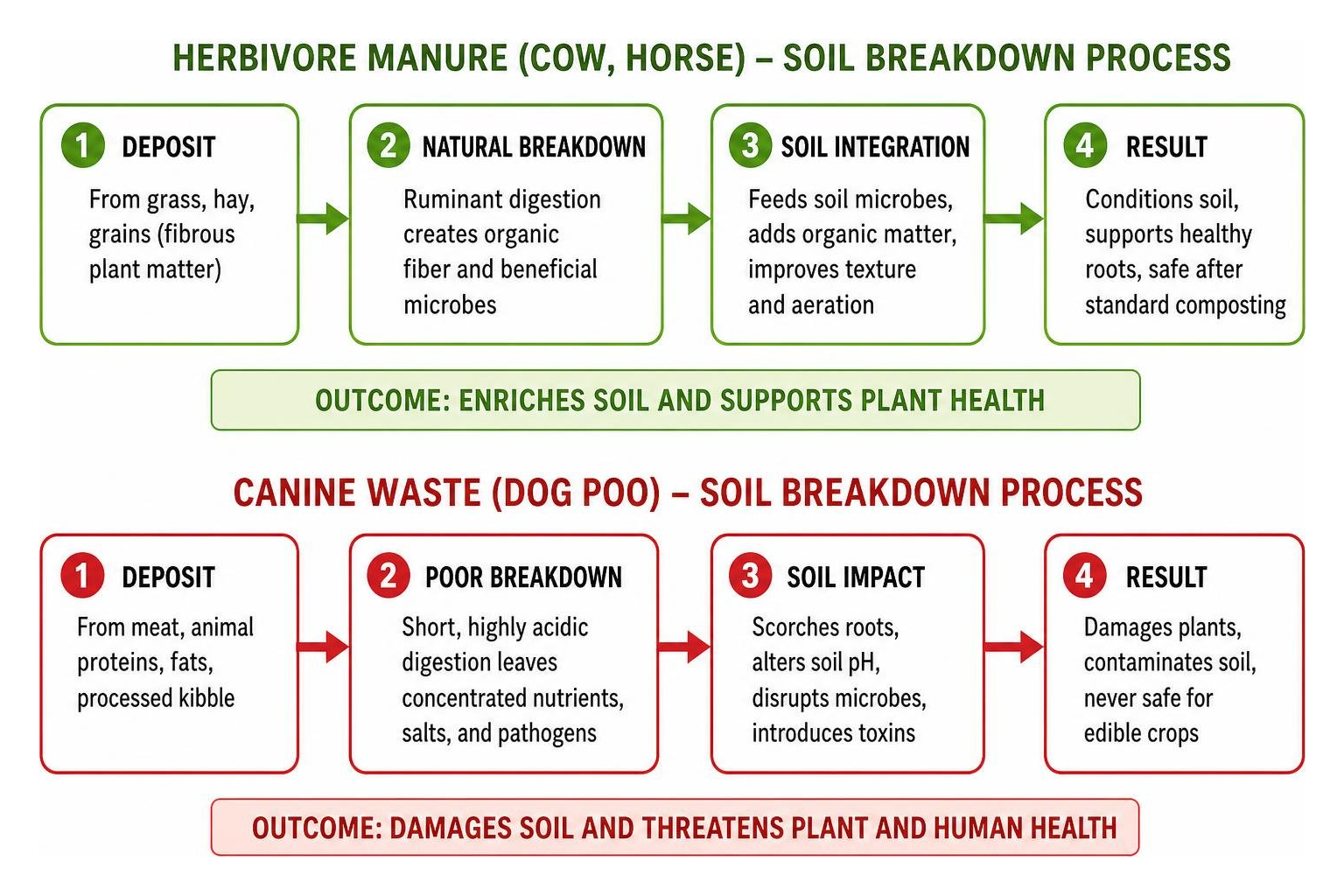
| Feature | Herbivore Manure (Cow, Horse) | Canine Waste (Dog Poop) |
|---|---|---|
| Primary Diet | Grass, hay, grains (fibrous plant matter) | Meat, animal proteins, fats, processed kibble |
| Digestion System | Complex ruminant/hindgut fermentation | Short, highly acidic monogastric digestive tract |
| Nutrient Balance | Balanced N-P-K, rich in organic matter | Excessively high nitrogen, heavy salts, phosphorus |
| Pathogen Profile | Low risk of human-transmissible parasites | High load of zoonotic worms, protozoa, and bacteria |
| Impact on Raw Soil | Conditions soil texture and feeds microbes | Scorches roots, alters soil pH, introduces toxins |
| Edible Crop Safety | Safe after standard agricultural composting | Never safe for edible fruits, vegetables, or herbs |
The Biological Difference Between Herbivore and Carnivore Waste
The distinction between livestock manure and dog feces comes down to digestive biology. Cows, horses, and sheep are herbivores with complex digestive systems designed to break down tough plant cellulose. Their manure consists primarily of digested organic fiber, beneficial plant microbes, and moderate nitrogen levels. When aged or composted, herbivore manure improves soil structure, aeration, and moisture retention.
Dogs are omnivores with a strong carnivorous bias. Their short digestive tracts process dense animal proteins and fats quickly using strong stomach acids. Because their food is nutrient-dense and lacks fibrous bulk, their stool contains concentrated nitrogen, high phosphorus levels, heavy sodium content, and residual digestive enzymes. Instead of conditioning garden soil, carnivore byproducts disrupt the delicate microbial balance and create hostile conditions for plant roots.
Soil Toxicity and Nitrogen Root Burn
Dog feces contains exceptionally high concentrations of nitrogen and mineral salts. While plants need nitrogen to develop healthy green foliage, excessive concentrations cause a chemical phenomenon known as root scorch or fertilizer burn.
When high-nitrogen waste sits on garden soil or turf, it draws vital moisture out of plant root systems through osmosis. The roots dehydrate rapidly, leading to the yellow or dead brown patches frequently seen on lawns. In the sandy, highly porous soils common across Fort Myers, Naples, Estero, and Bonita Springs, unmanaged pet waste dissolves rapidly during downpours. The excess salts and nitrates leach downward, altering the baseline soil pH and burning tender root systems across decorative planting beds.
Health Hazards and Pathogen Risks of Dog Waste in Soil
Beyond chemical imbalances and scorched roots, pet waste presents severe biological hazards. Dog feces is a primary carrier of hazardous zoonotic agents—diseases and parasites capable of jumping from animals to humans. Nearly 10 million tons of pet waste are produced across the nation every year, and the Environmental Protection Agency (EPA) categorizes dog waste as a nonpoint source pollutant in the same bracket as toxic chemicals, oil runoff, and acid mine drainage.
Understanding these pathogen risks in soil amendments highlights why untreated waste must never linger in areas where people, children, or pets walk and play.
Zoonotic Parasites and Bacteria in the Dog Poo Garden
The microbiological load carried within canine waste is staggering. A single gram of dog feces can contain up to 23 million fecal coliform bacteria. When pet waste is deposited in garden beds, these microscopic organisms enter the surrounding soil and remain active for extended periods.
- Toxocara canis (Roundworms): One of the most resilient parasites found in canine stool. Female roundworms produce hundreds of thousands of microscopic eggs daily. These eggs take two to four weeks to become infectious in outdoor environments and can survive in garden soil for months or even years. If ingested accidentally via hand-to-mouth contact after gardening, they can cause human toxocariasis, leading to visceral organ damage or ocular larva migrans, a condition that can result in permanent partial blindness.
- Ancylostoma caninum (Hookworms): Hookworm larvae hatch in warm, damp garden soil. Unlike roundworms, hookworms do not require ingestion; their larvae can penetrate bare human skin directly, causing cutaneous larva migrans, an itchy and painful skin infection.
- Pathogenic Bacteria: Strains of Escherichia coli, Salmonella, and Campylobacter thrive in dog waste. Dogs often carry these pathogens asymptotically in their digestive tracts, shedding live bacteria into backyards daily.
- Water Ecosystem Hazards: Just two to three days of waste from 100 dogs can introduce enough fecal coliform bacteria to temporarily shut down a local water ecosystem. In coastal and riverfront communities, untreated yard waste represents a primary contributor to local water quality degradation.
Critical Dangers for Edible Vegetable Gardens
Using canine waste anywhere near homegrown food is dangerous. Edible vegetable gardens, particularly those growing leafy greens, root crops, or low-hanging fruit, are highly vulnerable to pathogen transfer.
When rain strikes raw feces in a garden bed, contaminated water splashes onto surrounding lettuce, spinach, strawberries, and herbs. Root vegetables like carrots, radishes, and sweet potatoes develop directly within the contaminated soil matrix, coming into direct physical contact with hardy parasite eggs and bacterial colonies. Standard washing and peeling cannot guarantee the complete removal of microscopic roundworm eggs adhered to produce surfaces.
Maintaining clean, sanitary garden soil requires eliminating pet waste completely rather than attempting to recycle it around edible crops. Adhering to a practical guide to pet waste removal ensures your family stays protected while preserving a safe gardening environment.
Safe Composting and Backyard Disposal Protocols
Gardeners who want to recycle household waste often ask if specialized composting can make pet waste usable. While thermal composting can technically eliminate biological pathogens under strictly controlled parameters, standard backyard compost heaps are completely inadequate for the task.
Dedicated Hot Composting and Temperature Control
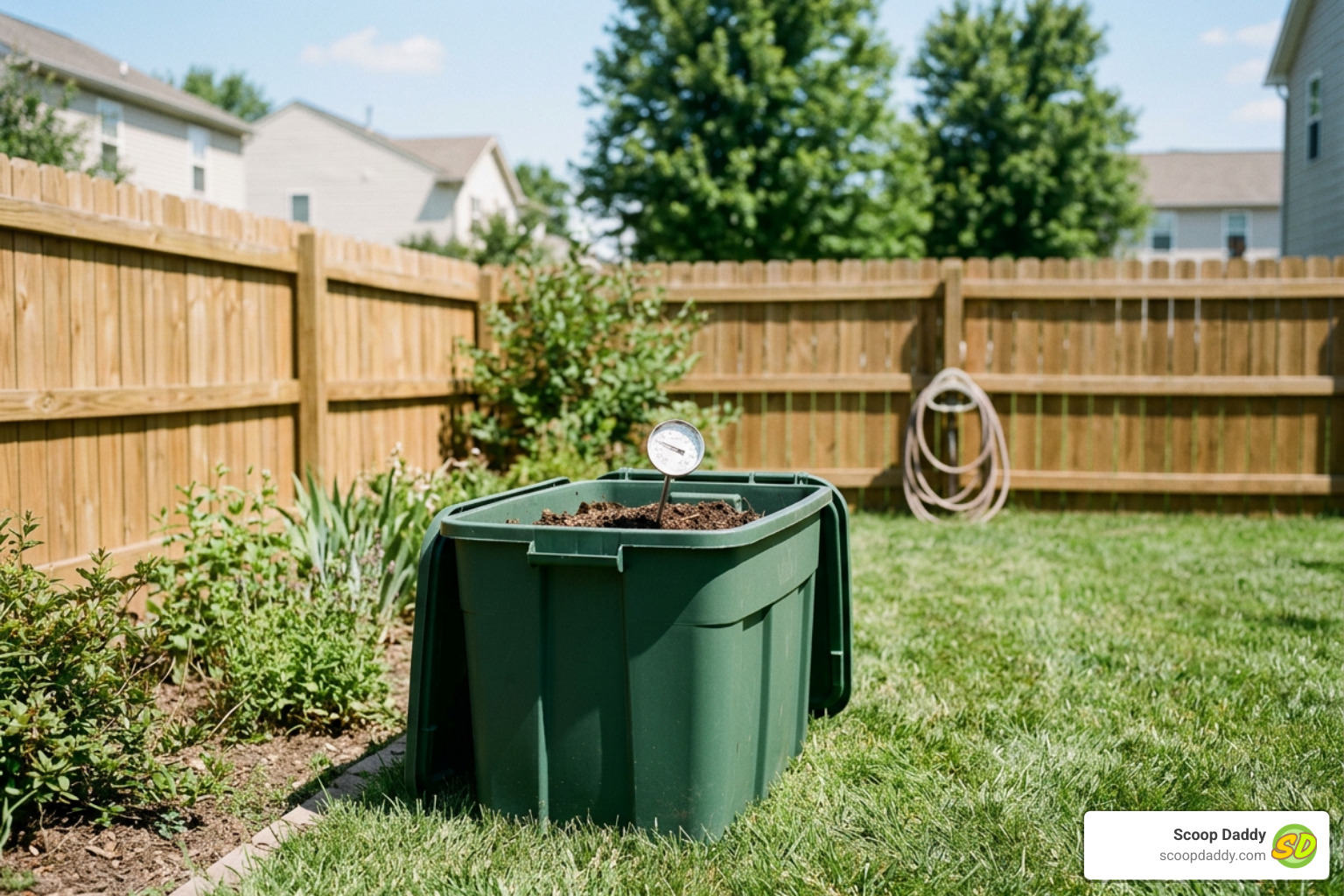
Backyard composting bins rarely achieve the high, uniform temperatures necessary to sanitize carnivore feces. Basic piles decompose through slow, cool biological breakdown, which leaves hardy parasite eggs completely viable.
Safe pet waste composting demands an isolated, dedicated hot-composting system managed under specific protocols:
- Thermal Threshold: The interior core of the compost pile must reach and maintain a steady temperature of at least 140°F (60°C). While baseline research indicates some pathogens neutralize at 131°F (55°C) held across several days, agricultural extension services insist on 140°F to provide an essential safety margin against cool outer edges.
- Carbon-to-Nitrogen Ratio: Pet waste must be balanced with substantial dry carbon sources—such as untreated sawdust, clean straw, or dry wood shavings—at an optimal carbon-to-nitrogen ratio of approximately 27:1 to 30:1 (roughly equal parts by weight).
- Volume and Insulation Requirements: A single medium dog produces roughly 200 grams of feces per day. This small volume cannot generate or hold sufficient heat on its own. A functional hot compost pile requires a minimum volume of approximately one cubic meter to insulate its core effectively—a scale rarely achievable in a single-dog household without adding non-pet organic bulk.
- Aeration and Turning: The pile must be aerated and turned weekly with dedicated tools to rotate cooler outer material into the high-heat center.
- Extended Curing Period: The material must cure and stabilize for a minimum of 12 months after active heating ends.
- Ornamental Restriction: Finished, cured pet-waste compost must only be applied to non-edible landscaping, ornamental flower beds, and mature decorative trees. It should never be used on vegetable beds, berry patches, or areas where young children play.
Following high-heat pet waste composting guidelines ensures that homeowners do not accidentally contaminate their home landscapes with viable parasites.
Managing Runoff and Soil Safety in Your Dog Poo Garden
Some homeowners install in-ground pet waste digesters—subsurface units that use water and specialized enzyme powders to liquefy waste into the surrounding subsoil like a miniature septic tank.
While convenient, digesters require careful placement. In areas with high water tables or sandy soil profiles, unsterilized liquid runoff from in-ground units can migrate toward shallow groundwater tables, retention ponds, or canal systems during periods of heavy precipitation. If you use garden tools near pet relief zones, keep those tools strictly separated from implements used in edible garden plots to prevent mechanical cross-contamination of parasite eggs.
Sustainable Bags and Eco-Friendly Handling
For most households, bagging pet waste and placing it in municipal trash bins remains the safest, most practical disposal method. However, selecting the right bag material matters for overall environmental impact.
- Compostable Bags (Cornstarch-Based): Certified compostable bags are designed to break down in managed industrial composting facilities that maintain high thermal conditions. In typical home compost heaps or oxygen-deprived landfills, they often fail to degrade properly or take years to break down.
- Biodegradable Plastic Bags: These bags often contain chemical additives designed to fragment conventional plastic into smaller pieces. In landfill environments, they can break down into persistent microplastics without fully returning to organic matter.
- Post-Consumer Recycled Plastic Bags: Bags made from recycled plastics repurpose existing materials and provide reliable durability during collection, making them a practical choice for standard municipal waste disposal.
Mastering efficient cleanup techniques through proven dog poop pickup hacks makes regular yard sanitation manageable and prevents waste from accumulating in your landscape.
Vet-Approved Strategies to Keep Dogs Out of Garden Beds
Preventing dogs from using your landscaped beds as a private bathroom protects both your plants and your household. Dogs choose elimination sites based on existing scent markers, soil texture, and daily routine. Using safe, dog-friendly deterrence strategies will establish clear property boundaries.
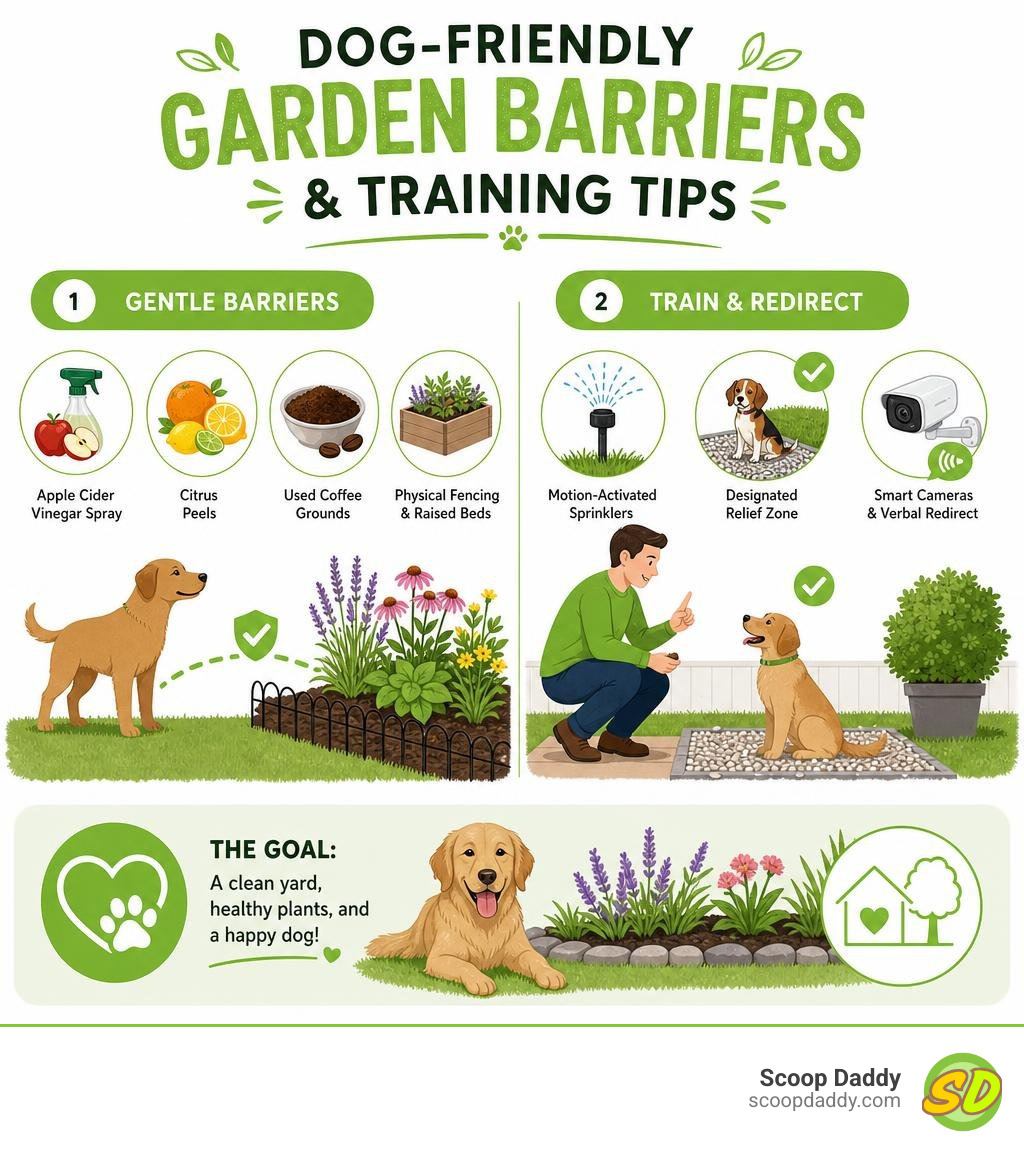
Homeowners looking for vet-approved deterrence techniques can implement several non-toxic strategies to discourage pets from entering delicate garden areas.
Natural Scent Deterrents and Physical Barriers
Canine senses of smell are thousands of times more sensitive than ours. Introducing scents that dogs naturally dislike around the perimeter of garden beds creates an invisible olfactory boundary:
- Diluted Apple Cider Vinegar: Mix equal parts water and apple cider vinegar in a spray bottle. Spray the mixture along garden edging, mulch borders, and decorative stones. Never spray undiluted vinegar directly onto delicate plant leaves, as its acidity can harm foliage.
- Citrus Peels: Scatter fresh lemon, lime, orange, or grapefruit rinds across mulch beds. Dogs strongly dislike pungent citrus oils, while the decomposing peels naturally add organic matter to the soil surface.
- Used Coffee Grounds: Spreading used coffee grounds around flower bed perimeters serves a dual role: it deters dogs with a bitter aroma while contributing mild nitrogen and organic material to decorative plants.
- Physical Fencing and Raised Beds: Low decorative metal edging, cedar picket borders, or raised garden planters physically restrict canine access. Elevating vegetable patches 18 to 24 inches off the ground eliminates casual wandering and protects crops from splashback contamination.
Training and Dog-Friendly Electronic Deterrents
Pairing physical barriers with active behavioral redirection provides long-term success:
- Motion-Activated Sprinklers: Installing a motion-sensing sprinkler at garden entry points is one of the most reliable, pet-safe deterrents available. When a dog approaches the bed, the device releases a brief, harmless burst of water. The sudden sound and splash startle the dog, quickly conditioning them to avoid that quadrant.
- Designated Backyard Relief Zones: Dogs thrive on predictable routines. Establish a dedicated bathroom station in a discreet corner of the yard away from gardens and patios. Use a distinct substrate such as pea gravel, crushed shells, or turf patches. Lead your dog to this designated spot on a leash, use a consistent verbal cue, and reward them immediately with treats and praise when they eliminate there.
- Smart Security Cameras with Two-Way Audio: If neighborhood pets wander onto front garden borders, smart security cameras with intercom capabilities allow you to verbally redirect approaching animals in real time.
For busy homeowners managing active households, partnering with a dependable professional pooper scooper service guarantees your lawn and landscaping stay completely clear of hazardous waste without adding chores to your busy schedule.
Frequently Asked Questions About Garden Waste Management
Can Composted Dog Poop Ever Be Used on Edible Plants?
No. Composted dog waste should never be used on edible plants, herbs, fruit trees, or vegetable gardens under any circumstances. Even when pet waste is subjected to dedicated hot composting, standard backyard systems cannot guarantee the complete elimination of microscopic Toxocara canis (roundworm) eggs across every cubic inch of the pile.
These parasite eggs possess rugged outer shells capable of surviving harsh environmental conditions. If applied to edible beds, pathogens can contaminate root vegetables directly or transfer onto leafy greens via rainwater splashback. Always reserve composted pet waste strictly for non-edible ornamental shrubs, shade trees, and decorative flower beds.
Is It Safe to Flush Dog Poop Down the Toilet?
Flushing raw dog waste down household toilets is generally discouraged unless your local municipal utility explicitly approves it. Domestic sewer systems and wastewater treatment facilities are engineered to process human biological waste, not the unique parasite loads found in pet feces.
Organisms like Cryptosporidium, Giardia, and Toxocara eggs can survive standard municipal water sanitization cycles, potentially threatening downstream aquatic environments. Furthermore, pet waste often carries sand, mulch, gravel, or pet hair that can clog household plumbing. Never flush pet waste inside commercial bags—even those labeled flushable or biodegradable—as they do not disintegrate rapidly enough to prevent severe pipe blockages.
What Are the Best Safe Alternatives to Dog Waste Fertilizer?
If your goal is to build rich, fertile soil that supports vibrant plant growth and bumper vegetable harvests, rely on proven, pathogen-free soil amendments:
- Composted Herbivore Manure: Well-aged manure from cows, horses, or chickens provides an ideal balance of nitrogen, phosphorus, and potassium alongside organic fiber that feeds beneficial earthworms and soil bacteria.
- Plant-Based Compost: Decomposed kitchen vegetable scraps, shredded leaves, grass clippings, and garden trimmings create a nutrient-rich humus that improves soil structure safely.
- Worm Castings (Vermicompost): Packed with beneficial microbes, trace minerals, and plant-available nutrients, worm castings enrich garden soil without burning delicate roots.
- Green Manure Cover Crops: Planting off-season cover crops like clover, rye, or buckwheat naturally captures atmospheric nitrogen, loosens compact soil, and prevents erosion.
- Balanced Organic Fertilizers: Certified commercial organic blends provide measured, slow-release nutrition tailored to specific plant species without biological hazards.
Conclusion
Maintaining a vibrant, thriving yard shouldn’t come at the expense of your family’s health or your landscape’s safety. While recycling organic material is a cornerstone of good gardening, canine waste is a biological hazard that requires prompt removal and proper disposal, not a natural fertilizer. From root-scorching nitrogen levels to long-lived zoonotic parasites like roundworms, leaving pet waste in garden beds harms your soil and introduces serious risks to people and pets alike.
Protecting your outdoor spaces requires a proactive approach: block garden access with smart physical borders, redirect pets to designated relief areas, and pick up waste regularly. Reviewing the best ways to clean dog poop from your yard helps ensure your property remains a safe, sanitary haven for your entire family.
At Scoop Daddy, we understand that keeping up with routine pet waste removal across Southwest Florida—including Fort Myers, Naples, Estero, and Bonita Springs—can be challenging. Our professional, tech-driven pet waste removal services keep your lawns, landscape borders, and outdoor living areas pristine, sanitary, and completely waste-free. Contact our team today to schedule reliable yard sanitation and reclaim your outdoor space.
You May Like
5 Signs It’s Time to Hire a Professional Pet Waste Removal Service
Your Yard’s Starting to Smell… Ruff Poop Patrol Is Eating Up Your Free Time Piles Are Popping Up in Sneaky Spots You’re Worried About Germs (and You Should Be) You Want a Stress-Free Scoop Schedule Time to Call in the Pros: Why Scoop Daddy Is Your Backyard Bestie Dog parents,
Read More
The Scoop on Poop: Is a Pooper Scooper Service Worth It?
Why a Pooper Scooper Service Is Worth Every Penny A pooper scooper service is a professional pet waste removal solution where trained technicians visit your yard on a set schedule, collect and bag all dog waste, and haul it away so you never have to touch it. Here's what a
Read More
Dog Waste Station Amazon Guide: Commercial and Backyard Receptacles
The Best Dog Waste Stations on Amazon for Backyards and Commercial Properties If you're shopping for a dog waste station on Amazon, here are the top options to know about right now (June 2026): Pick Best For Key Feature Zero Waste USA (Green or Black) Commercial & residential Rustproof aluminum,
Read More