
How to Find a Dog Feces Removal Service Fast by Using Local Search
Find Dog Feces Removal Help Fast in Southwest Florida
Dog feces removal is easiest to arrange when you search locally, check who serves your SWFL neighborhood, and compare recent reviews and service details before you book. For busy dog owners, a local provider can help keep the yard cleaner, reduce odors, and give kids and pets more usable outdoor space.
A quick local search can help you narrow the options:
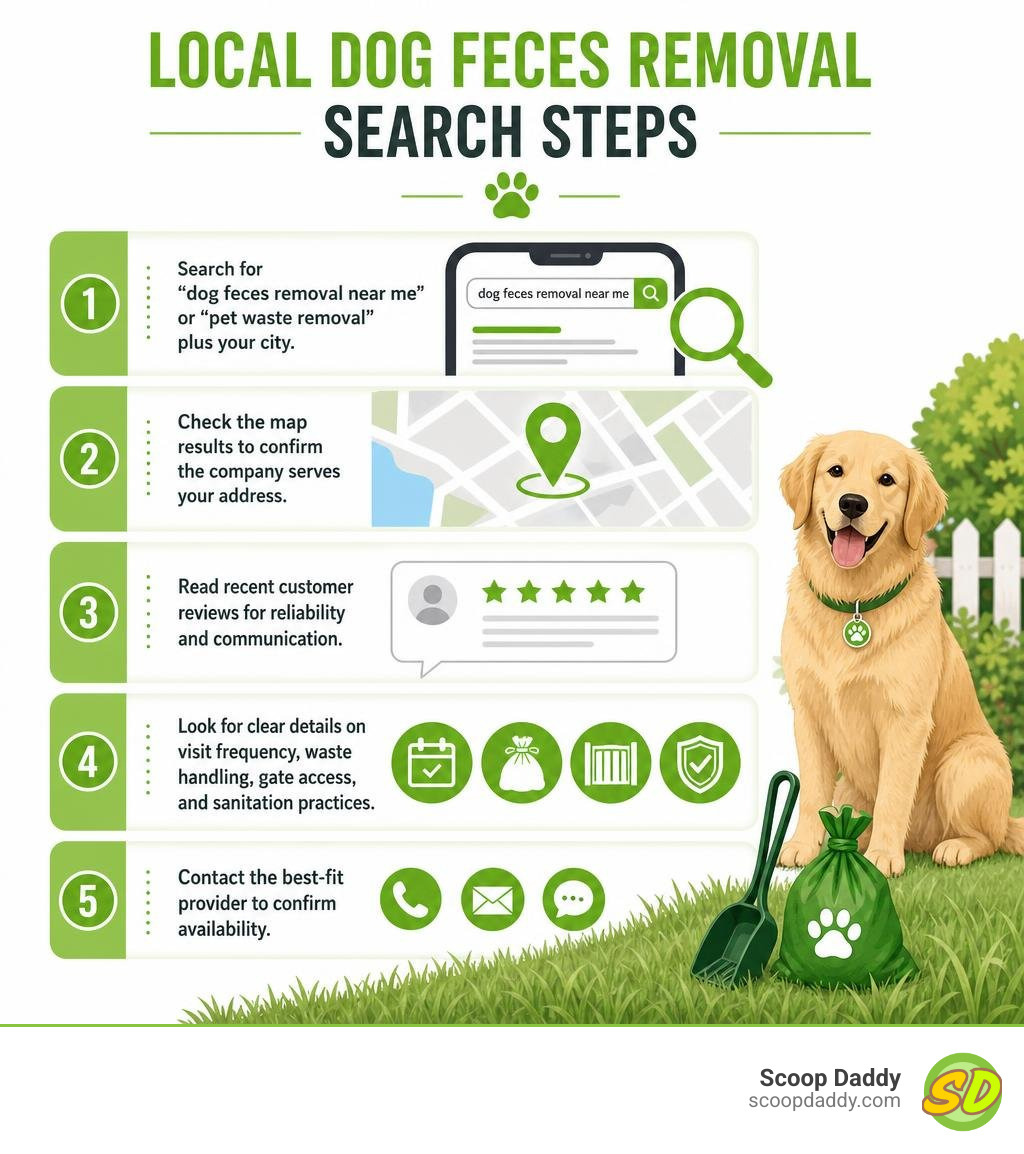
- Search for “dog feces removal near me” or “pet waste removal” plus your city.
- Check the map results to confirm the company serves your address.
- Read recent customer reviews for reliability and communication.
- Look for clear details on visit frequency, waste handling, gate access, and sanitation practices.
- Contact the best-fit provider to confirm availability.
This matters in Southwest Florida, where rain can carry uncollected waste into storm drains and waterways. Dog waste can also contain bacteria and parasites, so leaving it in the grass is more than an unpleasant chore.
Why Professional Dog Feces Removal Is Essential for Health and Environment
Regular cleanup helps reduce odors, limit bacteria, and keep outdoor spaces more comfortable for family and pets. If you want to understand the risks behind abandoned pet waste, Scoop Daddy’s guide to why picking up poop matters explains how neglected waste can affect your yard and local environment.
Many people assume that because dogs are part of nature, their waste will simply break down and fertilize the lawn naturally. Unfortunately, this is a myth. Dog waste is rich in nitrogen and phosphorus, but in concentrated amounts, it causes severe lawn burn, leaving behind yellow patches and dying grass roots. More importantly, uncollected canine waste poses serious biological hazards to humans, pets, and our fragile coastal environment. Recognizing the environmental benefits of proper pet waste disposal helps protect our local communities and watersheds.
Health Hazards and Pathogens Found in Canine Feces

Dog waste is classified by environmental authorities as a biological pollutant. A single gram of canine waste contains roughly 23 million bacteria, and a deposit the size of a dime contains tens of millions of fecal coliform bacteria, including dangerous strains of E. coli.
When dog feces sit in warm, humid outdoor conditions like those we experience daily in SWFL, pathogens multiply rapidly. Beyond bacteria, dog feces frequently host zoonotic parasites—organisms that can jump from animals to humans. These include:
- Roundworms (Toxocara canis): Microscopic eggs shed in feces can persist in yard soil for years, posing a major health risk to young children playing in the grass.
- Hookworms and Whipworms: Microscopic larvae can burrow into soil, leading to skin infections or gastrointestinal distress.
- Giardia and Cryptosporidium: Microscopic protozoa that cause severe digestive issues, cramping, and dehydration in both pets and people.
- Canine Parvovirus: A highly contagious and dangerous viral infection that attacks a dog’s gastrointestinal system. Parvovirus is notoriously resilient and can survive on ground surfaces for six months or longer.
Across the United States, an estimated 78.2 million dogs generate roughly 30,000 tons of waste every single day—totaling nearly 10 million tons annually. Yet studies indicate that only around 60% of pet owners consistently pick up after their dogs. That leaves millions of tons of waste sitting outdoors, multiplying bacterial threats and attracting unwanted pests such as flies, cockroaches, and rodents.
Environmental Pollution and Water Quality Risks
In Southwest Florida, our yards are connected directly to our rivers, estuaries, and coastal waters through local storm drain systems. Unlike indoor wastewater from toilets and sinks, which travels to municipal water treatment facilities, water running into neighborhood storm drains flows completely untreated directly into nearby lakes, canals, and bays.
When heavy sub-tropical rainfall washes over uncollected waste, it carries fecal coliform bacteria, nitrogen, and phosphorus straight into local waterways. This nonpoint source pollution triggers harmful ecological reactions:
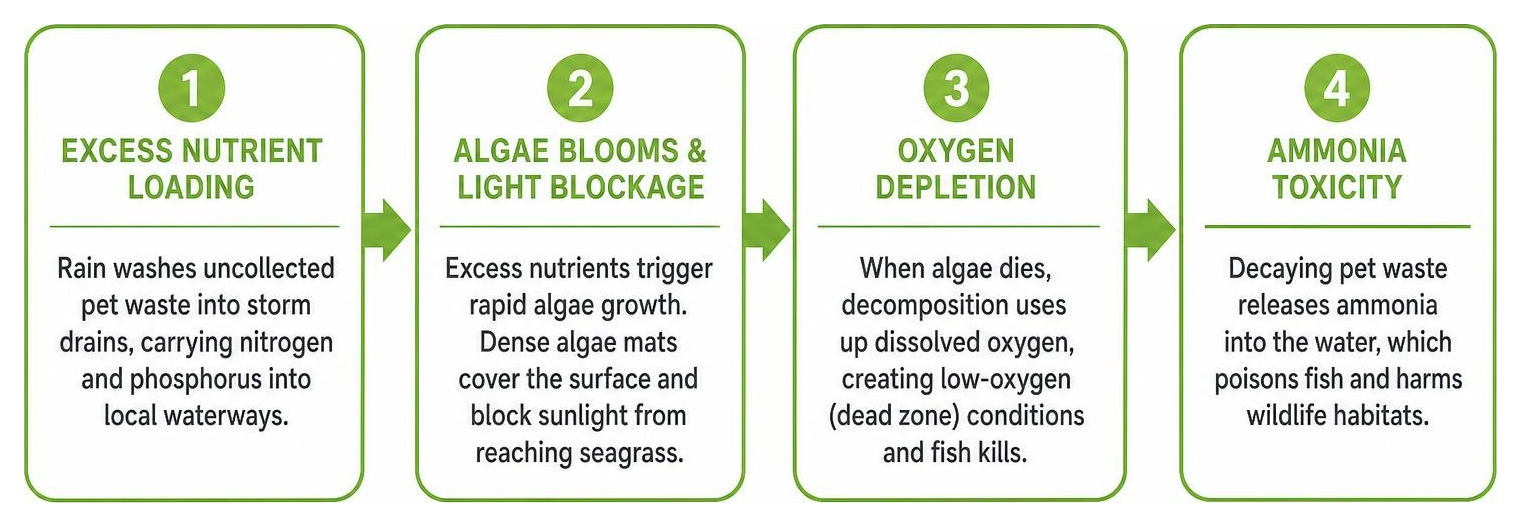
- Excess Nutrient Loading: Nitrogen and phosphorus feed rapid, excessive growth of blue-green algae and red tide organisms.
- Algae Blooms and Light Blockage: Dense mats of algae blanket the water’s surface, blocking sunlight from reaching vital sub-surface sea grass beds.
- Oxygen Depletion: As algae dies off, natural decomposition depletes dissolved oxygen levels in the water, resulting in marine dead zones and fish kills.
- Ammonia Toxicity: Decaying pet waste releases toxic ammonia into waterways, harming sensitive fish species and local wildlife habitats.
By scheduling regular dog feces removal, homeowners play a direct role in safeguarding local natural resources and preserving clean water across Southwest Florida.
How to Use Local Search to Find a Professional Service Fast
When you decide it is time to hand off yard cleanup to experts, local search engines are the fastest way to connect with reliable providers nearby. Knowing how to find someone to pick up dog poop without losing your mind comes down to asking the right questions and knowing what digital signals indicate a top-tier provider.
To start your search effectively, open your preferred search tool or map application and type targeted, geo-specific phrases such as:
- “Dog feces removal near me”
- “Pet waste cleanup Fort Myers FL”
- “Pooper scooper service Naples”
- “Yard sanitation Bonita Springs”
Map pack results display local businesses operating directly in your geographic area. Reviewing business listings gives you immediate insight into service radius, customer feedback, operational hours, and direct booking links. For a deeper look at what professional cleanup includes, read our guide to dog poop cleaner services before choosing a provider.
Key Features to Look for in a Local Dog Feces Removal Provider
Not all pet waste removal services operate at the same professional level. To ensure your property and pets remain safe, evaluate potential service providers against a clear checklist of modern operational features:
- Sanitization Protocols Between Yards: Professional technicians must sanitize their tools and footwear with kennel-grade disinfectants before stepping onto your lawn. This vital step prevents cross-contamination of contagious diseases like parvovirus between neighboring yards.
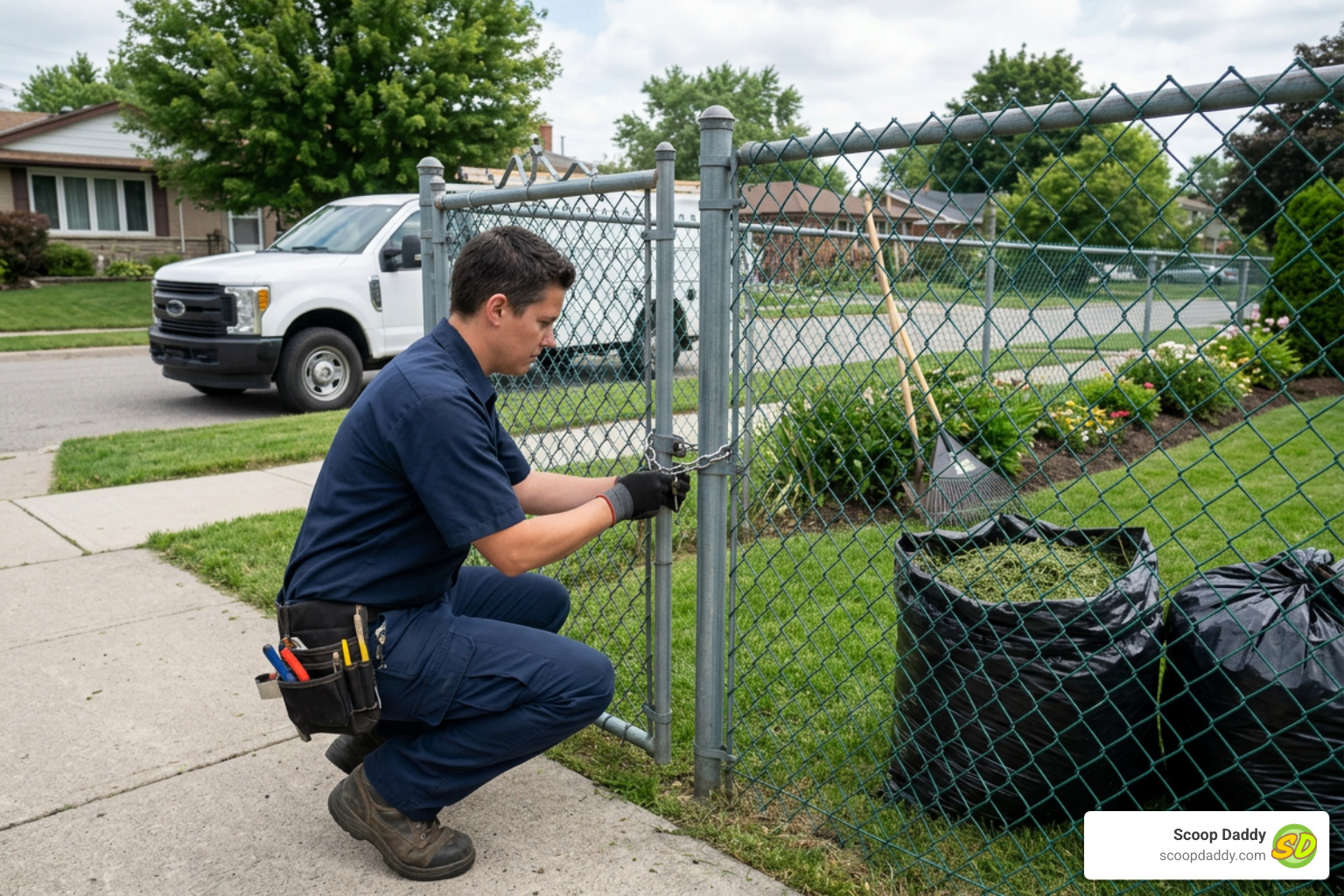
- Photo Verification and Gate Alerts: Your pets’ safety is paramount. Quality providers send real-time arrival text alerts and upload visual gate-closure confirmation photos immediately after completing work, proving your yard is secure before your dogs are let back outside.
- Tech-Driven Customer Portals: Modern services utilize digital client portals where you can track technician progress in real time, view upcoming service schedules, review visit records, and manage account preferences effortlessly.
- Off-Site Waste Hauling: Ensure the provider takes all collected pet waste off your property for proper disposal, rather than dumping heavy, foul-smelling bags into your personal residential trash bins.
- Flexible, Contract-Free Options: Top companies offer straightforward, contract-free service plans that allow you to pause, adjust visit frequency, or update service options as your schedule requires.
Evaluating Online Reviews and Local Search Results
Online feedback provides an unfiltered look into how a company treats its customers and handles day-to-day operations. When browsing local search listings, look beyond the overall star rating and evaluate specific customer comments:
- Consistency and Punctuality: Check whether reviews mention consistent visit schedules and reliable communication.
- Attention to Detail: Look for feedback confirming that technicians conduct thorough grid walks, checking along fence lines, under bushes, and around landscaping beds.
- Professionalism and Safety: Confirm that clients feel comfortable with technicians entering their properties and that gates are consistently secured.
- Response Speed: Notice how quickly the provider responds to customer queries or resolves service adjustments online.
A strong local track record across local neighborhood groups and map reviews indicates a trustworthy provider dedicated to high standards.
Effective Disposal Methods and DIY Best Practices
While hiring a professional service is the most convenient way to keep your lawn clean, understanding proper waste handling techniques is useful for every dog owner. A single 40-pound dog produces approximately 274 pounds of waste each year. Multiplying that across multi-dog households highlights just how quickly waste accumulates in a home yard.
For DIY cleanup, it helps to understand why dog waste can damage your lawn and create health risks. Scoop Daddy’s guide on why dog poop is not fertilizer explains the basics, while this pet waste removal guide covers safer ways to handle cleanup at home.
Proper Walk Etiquette and Disposal Options
When walking your dog around neighborhood sidewalks, parks, or community green spaces in Southwest Florida, responsible handling of pet waste is both proper etiquette and a municipal requirement. Local leash laws and civic ordinances require dog owners to clean up after their pets immediately.
Follow these practical habits during daily walks:
- Always Pack Extra Bags: Carry multiple waste bags attached directly to your dog’s leash handle or harness using a compact dispenser pouch. Having spare bags allows you to handle unexpected double stops or assist a fellow pet parent in need.
- Use Dedicated Tools for Yard Scooping: If collecting waste manually at home, consider ergonomic direct-to-bag scooping tools or swivel bin and rake sets. These allow you to pick up deposits cleanly without constant bending.
- Tie Waste Bags Securely: Double-knot plastic bags tightly to seal in bacteria and prevent odors from escaping.
- Dispose in Designated Receptacles: Place sealed bags directly into municipal trash bins or park pet waste stations. Never drop waste bags into storm drains, street gutters, or unapproved drainage ditches.
Professional Dog Feces Removal vs DIY Yard Maintenance
Deciding between cleaning the yard yourself and hiring a dedicated service depends on your family’s schedule, lawn size, and desired level of sanitation.
| Feature / Criteria | DIY Yard Cleanup | Professional Pet Waste Service |
|---|---|---|
| Time Investment | 1 to 2 hours weekly spent hunting for hidden deposits | 0 hours; fully automated weekly or bi-weekly scheduling |
| Sanitization Level | Basic visual pickup; fecal residue and bacteria remain on grass blades | Thorough grid removal, kennel-grade equipment sanitization, optional lawn deodorizing |
| Waste Disposal | Waste sits in outdoor residential trash cans, attracting flies and pests | Waste removed from property entirely and disposed of according to local guidelines |
| Cross-Contamination Protection | Household shoes and yard tools can track bacteria inside living spaces | Sanitized boots and dedicated equipment prevent cross-contamination |
| Pet Security Verification | Manual checks | Automated text alerts and post-service photo gate confirmation |
Reviewing the 5 signs it’s time to hire a professional pet waste removal service can clarify if outsourced maintenance fits your routine. Many homeowners find that understanding why professional dog poop cleanup is a must-have time saver makes the decision clear.
Frequently Asked Questions About Pet Waste Removal
How Often Should You Clean Up Dog Waste in Your Yard?
For single-dog homes, waste should be cleared from the yard at least once per week. However, in multi-dog households or yards where young children and pets play frequently, scooping two to three times a week—or even daily—is recommended.
In warm climates like Southwest Florida, frequent pickup helps prevent flies, control odors, and keep waste from being tracked through the grass. For more cleanup tips, see our guide to cleaning dog poop from your yard.
Can Dog Poop Be Composted Safely in Backyard Gardens?
No, dog waste should never be added to standard backyard compost piles or used on vegetable gardens and edible crops.
Standard home compost piles rely on natural environmental warmth and rarely reach the sustained internal temperatures required to destroy persistent parasites like roundworm eggs or bacterial pathogens like E. coli. These biological contaminants can survive for over a year in soil, posing direct health risks if introduced to fruit or vegetable plants intended for human consumption.
While specialized industrial pet waste composting systems exist, standard backyard composting is unsafe for dog waste handling.
What Are the Common Mistakes to Avoid When Disposing of Dog Waste?
Even well-intentioned dog owners occasionally make mistakes when handling pet waste. Key errors to avoid include:
- Leaving Bagged Waste on Trails or Sidewalks: Placing waste inside a bag but leaving the bag on the side of a walking trail creates long-lasting plastic pollution.
- Flushing Bags Down Domestic Plumbing: Never flush plastic bags—even those labeled as biodegradable or flushable—down home toilets. They frequently fail to break down fast enough in pipes, resulting in severe household plumbing clogs.
- Tossing Waste into Storm Drains: Dropping raw or bagged waste into street gutters or drain grates washes bacterial pollution directly into local waterways.
- Using Unsealed Bags in Trash Cans: Throwing loose waste or loosely tied bags into residential trash cans leads to foul smells and pest infestations.
Adopting dog poop pickup hacks that actually work makes managing your outdoor cleanup simple and stress-free.
Conclusion
Finding a fast, reliable dog feces removal service in Southwest Florida starts with using targeted local search techniques to discover dedicated service providers in your city. By choosing a tech-forward professional service that prioritizes cross-contamination protocols, photo gate verification, off-site waste disposal, and customer communication, you transform your yard back into a safe, spotless sanctuary for your whole family.
At Scoop Daddy, we provide reliable, tech-driven pet waste removal for homes and residential communities across Southwest Florida, including Fort Myers, Naples, Estero, and Bonita Springs. Our professional technicians make reclaiming your weekend simple, automated, and hassle-free. Get in touch with us today to enjoy a cleaner, fresher, barefoot-ready yard!
You May Like
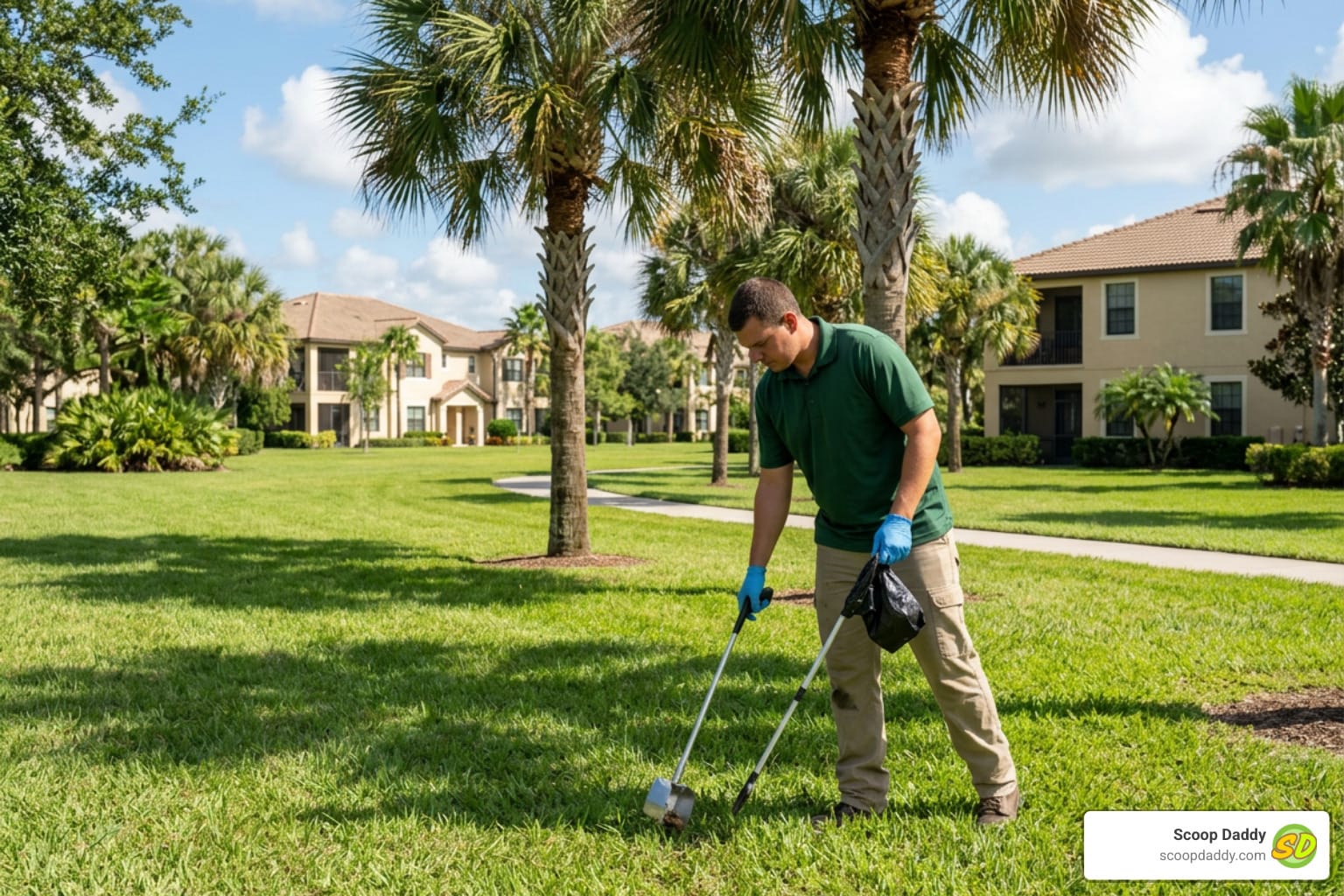
Commercial Pet Waste Removal: Is It a Goldmine or Just Gross?
Why Commercial Pet Waste Removal Is Crucial For Florida Communities Managing a clean property in Southwest Florida is a major challenge, which is why commercial pet waste removal has become a vital service for local HOAs, apartment complexes, and businesses in 2026. Here is a quick breakdown of how this
Read More
5 Signs It’s Time to Hire a Professional Pet Waste Removal Service
Your Yard’s Starting to Smell… Ruff Poop Patrol Is Eating Up Your Free Time Piles Are Popping Up in Sneaky Spots You’re Worried About Germs (and You Should Be) You Want a Stress-Free Scoop Schedule Time to Call in the Pros: Why Scoop Daddy Is Your Backyard Bestie Dog parents,
Read More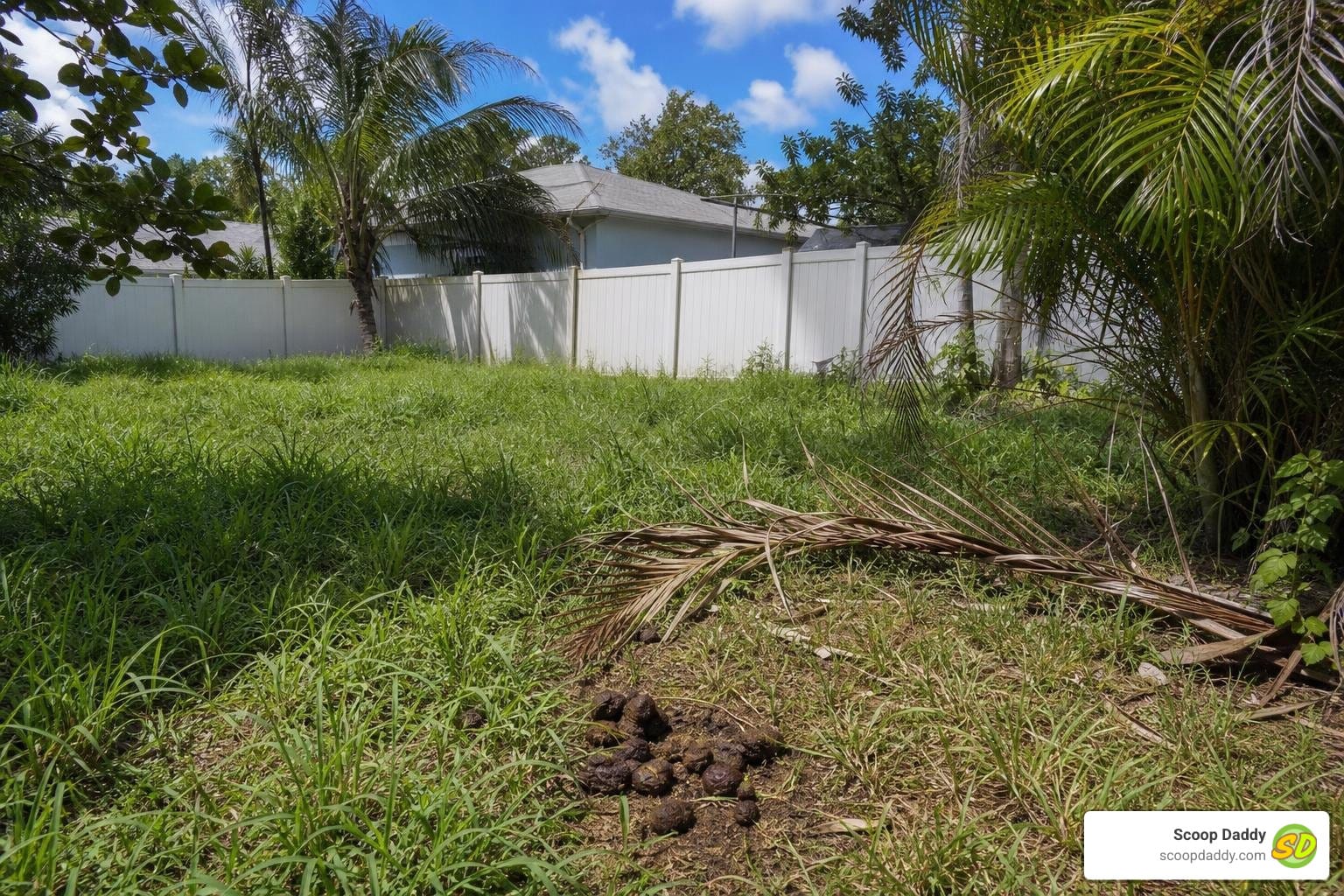
The Cost of Tackling an Overgrown Yard in One Go
What Does a One-Time Yard Cleanup Actually Cost? The one time yard clean up cost depends heavily on yard size, debris volume, and the scope of work involved. For a standard suburban lot, the final investment reflects the amount of labor required to restore the property to a clean, manageable
Read More