
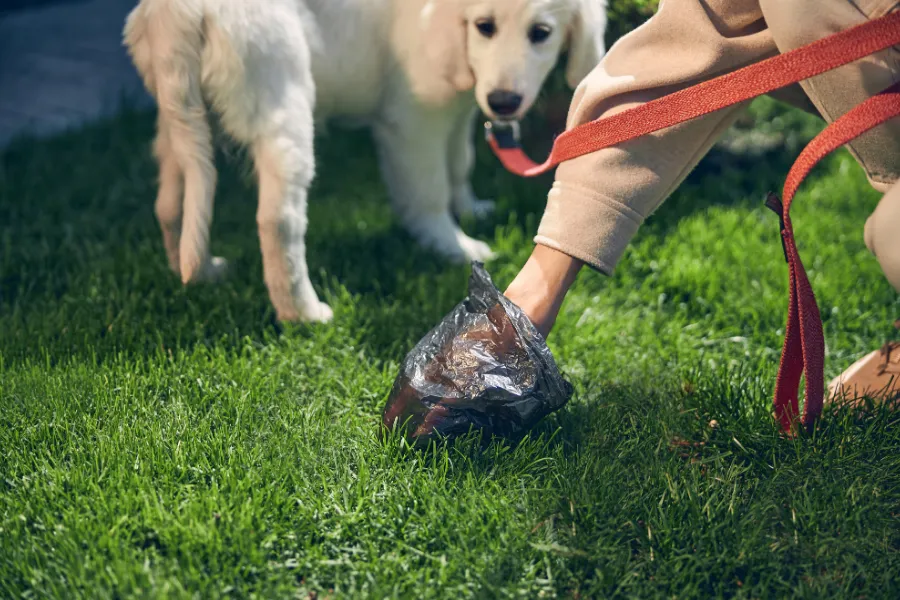
How to Get Rid of Pet Waste Odor from Your Yard
How to Remove Pet Waste Odor from Your Yard for Good
To remove pet waste odor from yard areas, start by picking up all visible waste, then use an outdoor bio-enzymatic odor eliminator that is safe for your lawn and surfaces. These treatments break down the organic residue that causes odor instead of covering it with fragrance.
| What causes the smell | Why it lingers | What helps |
|---|---|---|
| Dog poop and urine residue | Odor compounds can soak into soil, grass, turf, and concrete pores | Thorough cleanup plus an enzyme-based outdoor treatment |
| Southwest Florida heat and humidity | Warm, damp conditions speed up bacterial activity and make odors easier to notice | Regular pickup and treatment of favorite potty spots |
| Rain and wet ground | Water can reactivate and spread odor compounds through the soil | Treat affected areas after cleanup and as needed after heavy rain |
A clean-looking lawn can still smell bad because the problem is often below the surface. Dog waste contains powerful odor compounds, including ammonia and hydrogen sulfide, and even small amounts can become noticeable in a hot, humid backyard.
The good news: the right product can help. This guide compares the best options for grass, artificial turf, gravel, patios, and concrete, so you can choose an odor eliminator that targets the source of the smell.
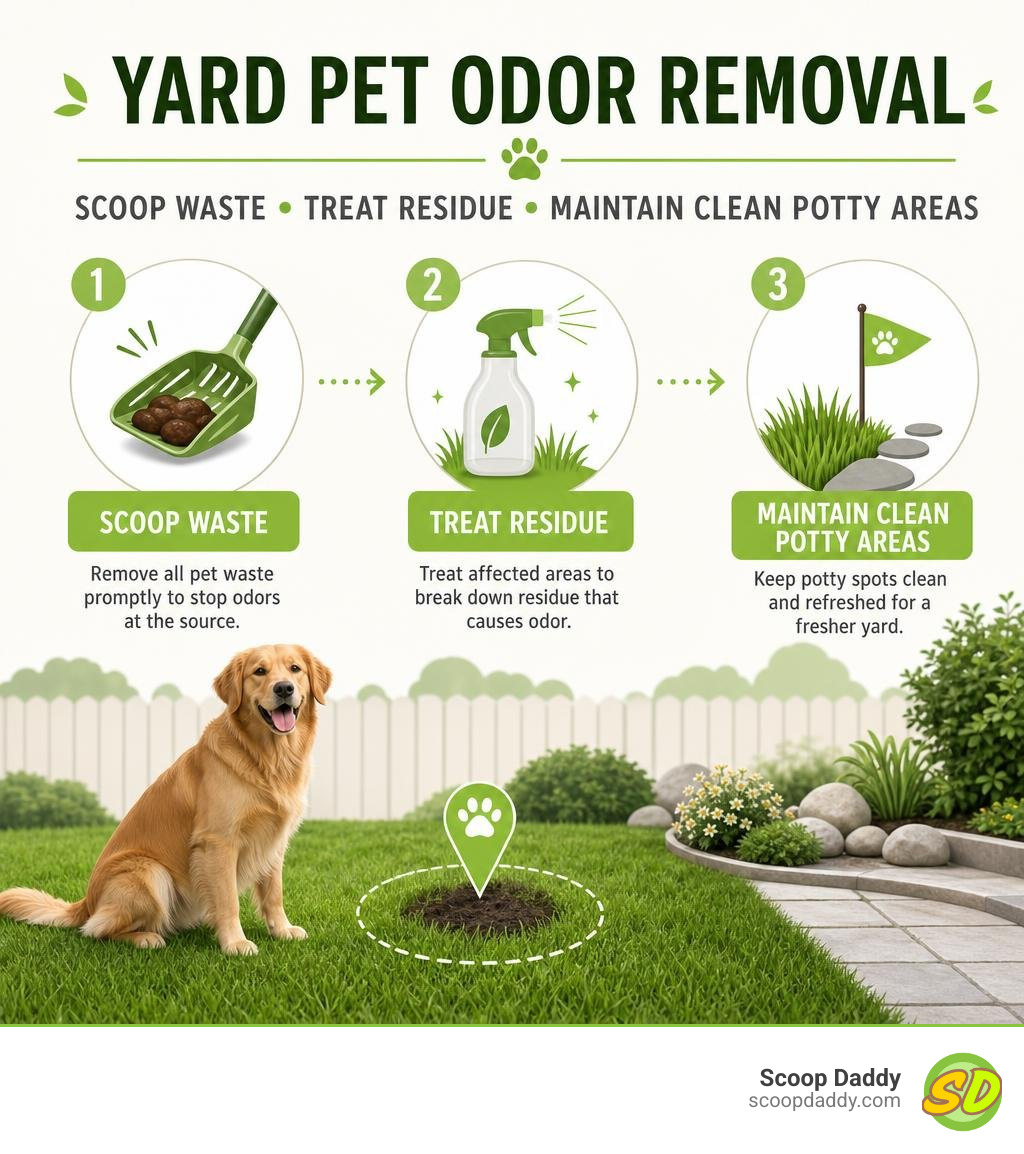
Remove pet waste odor from yard terms simplified:
The Science of Yard Odors and Why Lingering Smells Happen
Have you ever walked out onto your patio, looked across an empty lawn, and still caught a strong whiff of dog poop? It can feel confusing and frustrating when you know you recently picked up after your dog. The truth is that physical feces removal is only step one. What causes the stench to stick around is the invisible residue left behind in your grass and soil.
Understanding the chemical composition of fecal compounds helps explain why simple surface picking does not always cure the smell. Canine feces is a dense mixture of digestive byproducts, bacteria, and specific organic molecules designed by nature to stink.
Dog waste releases five major classes of offensive odor compounds:
- Hydrogen Sulfide: Famous for its rotten-egg stench, human noses can detect this compound at concentrations as low as 0.5 parts per billion.
- Ammonia: Formed as proteins and nitrogen in waste break down, creating a sharp, pungent odor.
- Indole & Skatole: Fecal compounds created by intestinal bacteria breaking down amino acids. Skatole is particularly aggressive, measuring roughly 10 times more potent than indole.
- Volatile Fatty Acids: Sharp, sour compounds that release continuously as waste decomposes.
- Mercaptans: Sulfur-rich compounds similar to those found in skunk spray that cling aggressively to outdoor surfaces.
When dog waste sits on your lawn, these volatile organic compounds sink straight down into the organic thatch layer and underlying soil. Once absorbed, they create an underground reservoir of scent that continues to off-gas long after the physical waste is scooped up and tossed away.
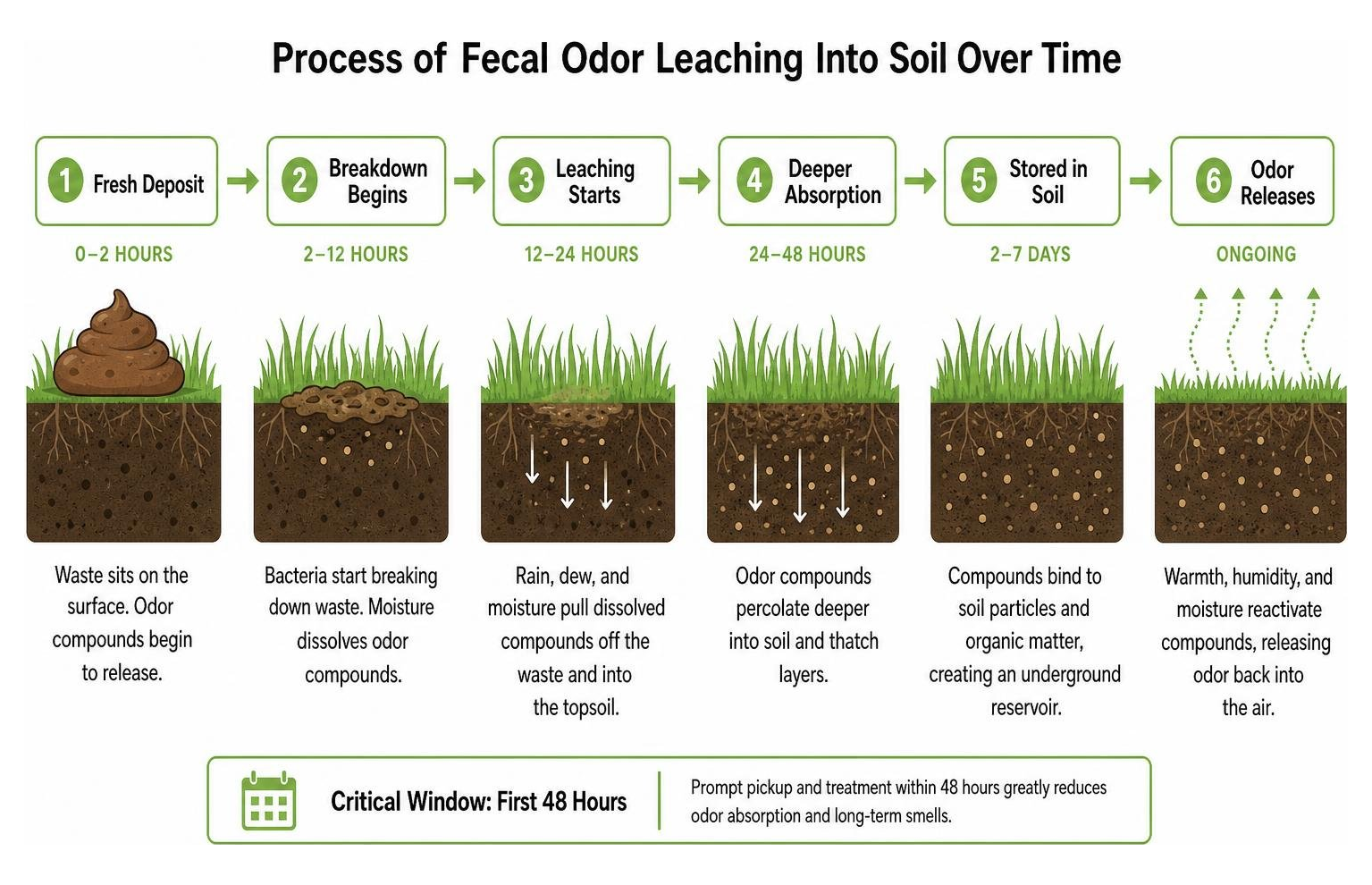
The 48-Hour Leaching Window and Fecal Odor Compounds
Timing plays a major role in whether your yard stays fresh or develops a subterranean stench. We refer to the first two days after a pet deposit as the critical 48-hour window.
When fresh waste hits your grass, it sits primarily on the surface. However, as hours pass, microbes go to work breaking down the deposit. Between 24 and 48 hours, rain, dew, and moisture cause these dissolved organic compounds and foul-smelling molecules to wash off the stool and leach directly into topsoil and turf backings.
A single dog produces 300 or more waste deposits per year. When deposits sit past that 48-hour mark, you are allowing dozens of microscopic odor reservoirs to form across your property. The longer waste sits, the deeper those compounds travel into root systems, sand, and soil pores, making it far more challenging to eliminate the smell without specialized chemical or biological interventions. For broader tips on managing urine smells alongside fecal odors, check out our guide to removing dog urine odor.
How Heat, Rain, and High Humidity Worsen Yard Odor
For homeowners across Southwest Florida communities like Fort Myers, Naples, Estero, and Bonita Springs, yard odor is a unique challenge due to our sub-tropical environment. Warm weather and moisture act like an amplifier for offensive smells.
High heat accelerates bacterial activity, speeding up decomposition and causing volatile compounds to evaporate into the air at a much faster rate. Furthermore, high humidity increases the amount of moisture held in the air. Scent molecules bind to water vapor, meaning humid air carries odor molecules directly to your nose far more effectively than dry air does.
Rainfall creates a double-edged sword. While a light shower might seem like it would wash your yard clean, it often does the exact opposite. Rain mobilizes dormant volatile compounds trapped in dry soil, dissolving them and spreading them across a much wider surface area. When the sun comes back out after a classic afternoon thunderstorm, water evaporation carries those newly reactivated compounds up into the air, creating a sudden wall of pet odor.
In addition, dog urine contains high concentrations of uric acid. When exposed to humidity and water, uric acid crystals dissolve and recrystallize repeatedly. Unless these crystals are broken down by an appropriate cleaner, every humid morning or rain shower will trigger a renewed wave of ammonia smell.
Best Methods to Remove Pet Waste Odor from Yard
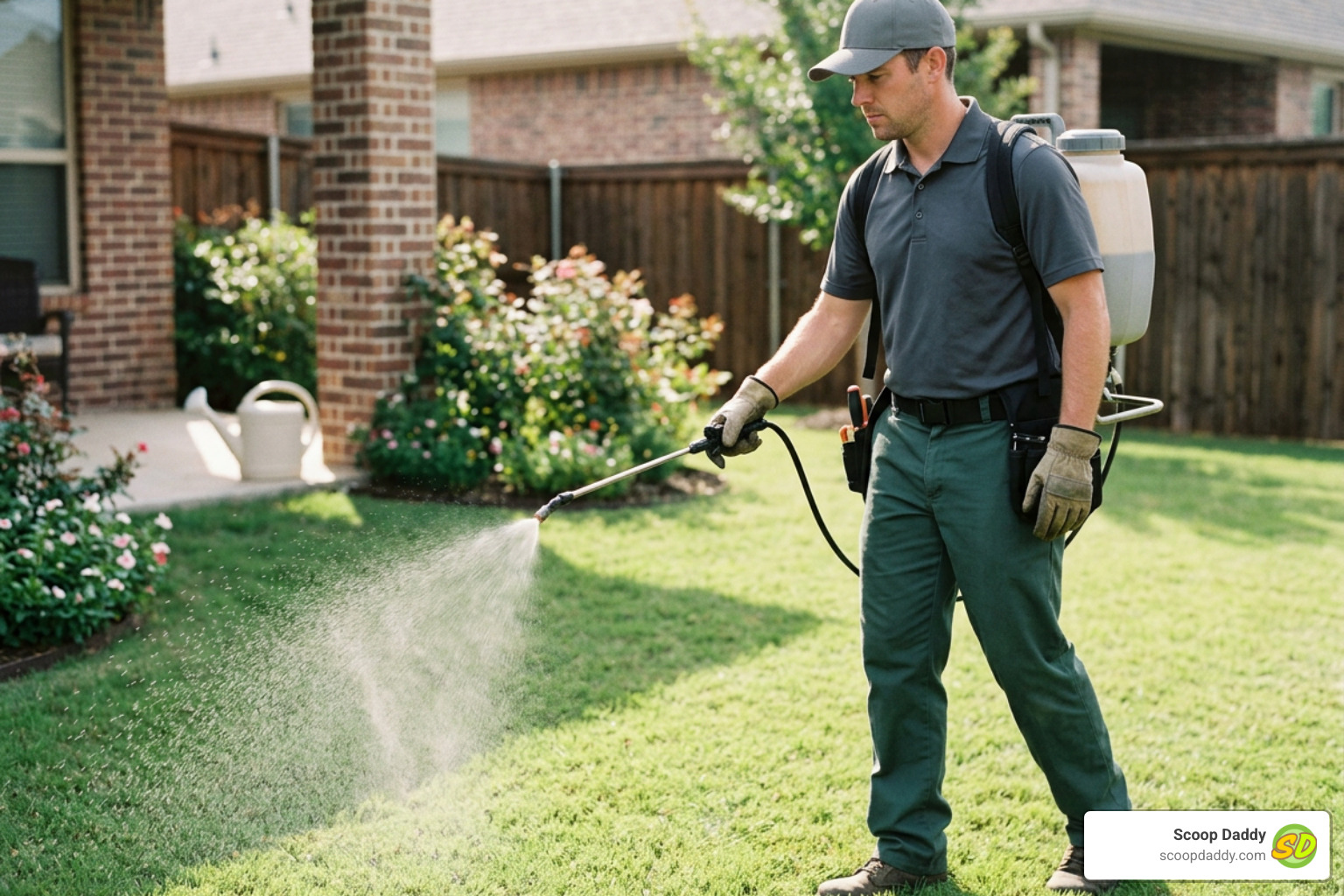
When you decide to tackle persistent lawn smells, you need to know which products deliver real results and which ones merely mask problems for a few hours. Masking agents rely on heavy perfume fragrances to hide smells. While your yard might smell like artificial eucalyptus for an afternoon, the underlying sulfur, ammonia, and skatole compounds remain completely unchanged beneath the fragrance.
To genuinely remove pet waste odor from yard spaces, you must use treatments that break apart organic bonds or neutralize chemical pH levels.
| Treatment Type | Mechanism | Target Surfaces | Duration of Relief | Best Used For |
|---|---|---|---|---|
| Bio-Enzymatic Sprays | Live bacteria consume proteins, uric acid, and organic waste | Natural grass, soil, artificial turf, gravel, wood | 5 days to 3 weeks | General yard odors, recurring pet waste spots |
| Agricultural Lime | Calcium carbonate raises soil pH to neutralize acids and stop bacterial growth | Natural grass, bare soil, dirt patches | Weeks to months | Heavy soil contamination, localized poop corners |
| Hydrogen Peroxide Cleaners | Oxidation breaks down organic residue and lifts surface stains | Synthetic turf, pavers, concrete, brick | Immediate deep clean | Deep cleaning synthetic grass, hardscapes, and stains |
| Vinegar & Baking Soda (DIY) | Mild acidity and alkalinity lower surface odor temporary | Small patio spots, concrete edges | Hours to days | Quick emergency touch-ups before guest arrivals |
Bio-Enzymatic Sprays to Remove Pet Waste Odor from Yard
Bio-enzymatic formulas represent the gold standard for outdoor pet odor removal. Rather than hiding smells, these treatments utilize targeted enzymes and non-pathogenic live bacteria to digest organic waste at a microscopic level.
When you apply a bio-enzymatic product to your grass or soil, the enzymes act as chemical tools, snipping complex proteins, fats, and uric acid into smaller pieces. The live bacteria then consume these broken-down compounds, converting them into harmless, odorless carbon dioxide and water.
Popular commercial choices include concentrated formulas like Simple Green Outdoor Odor Eliminator and EcoStrong Outdoor Odor Eliminator. High-quality commercial sprays offer incredible coverage—for instance, one gallon of EcoStrong concentrate can treat up to 2,500 square feet of lawn.
For optimal performance with bio-enzymatic sprays:
- Apply at Sunset: Direct sunlight and strong UV rays break down live bacteria, while high afternoon heat dries the spray out too quickly. Spraying at dusk gives the living microbes hours of cool, damp night air to travel into soil pores and digest waste.
- Pre-Wet the Lawn: Lightly misting dry soil with water before spraying prevents the enzymatic liquid from evaporating immediately, allowing live bacteria to remain active longer.
- Keep It Moist: Enzymes require moisture to move and eat. Highly saturated soil yields deeper bacterial penetration and superior odor relief that lasts anywhere from 5 days to 3 weeks.
Agricultural Lime and Soil Neutralizers for Heavy Odors
When a specific corner of your yard has served as a potty spot for months, bio-enzymatic sprays may need extra support from soil neutralizers. This is where agricultural lime becomes invaluable.
Agricultural lime is composed of crushed calcium carbonate (limestone). When applied to dirt or lawn spots saturated with nitrogen-dense feces and acidic urine, calcium carbonate raises the soil pH. By converting highly acidic soil into an alkaline environment, agricultural lime neutralizes harsh ammonia salts and prevents foul-smelling anaerobic bacteria from reproducing.
Applying garden lime is simple:
- Scoop all solid waste from the area thoroughly.
- Sprinkle 1 to 2 pounds of fine agricultural lime per 10 square feet over the smelly patch.
- Gently water the area with a garden hose for several minutes to wash the powder into the topsoil.
Safety Note: Always ensure you buy agricultural lime (calcium carbonate) or garden lime, never hydrated lime or quicklime. Hydrated lime is caustic and can cause severe skin and paw burns on pets and humans alike. Agricultural lime is natural, non-toxic, and safe once watered into the ground. Learn more about step-by-step garden treatments in this detailed guide on How to Get Rid of Dog Poop Smell in Yard.
DIY Household Solutions Versus Commercial Treatments
Many homeowners turn to household pantry items like distilled white vinegar and baking soda when yard smells get out of hand. While these home remedies can help in a pinch, it helps to understand their limitations.
A common DIY recipe combines 1 gallon of warm water, 1 cup of white vinegar, 1/2 cup of baking soda, and a few drops of liquid dish soap.
- White vinegar brings mild acetic acid to neutralize alkaline ammonia odors.
- Baking soda absorbs surface moisture and neutralizes acidic compounds.
- Liquid dish soap acts as a surfactant, breaking water’s surface tension so the solution can cling to grass blades and penetrate soil pores.
To work effectively, any treatment needs adequate dwell time—meaning the liquid must remain wet on the surface for at least 15 to 30 minutes to interact with odor molecules.
While DIY solutions offer a cheap, immediate fix before hosting a weekend barbecue, they do not permanently eliminate deep subterranean bacteria. Vinegar and baking soda wash away quickly and lack live microbial activity, making commercial bio-enzymatic treatments far superior for long-term yard freshness.
How to Treat Different Outdoor Surfaces in Your Yard

No two backyards are identical. Your property likely features a mix of natural grass, landscaping, concrete patio slabs, and perhaps synthetic turf or gravel dog runs. Each material retains organic pet waste differently and requires a tailored approach to safely remove pet waste odor from yard spaces.
Deodorizing Natural Grass and Soil
Natural grass lawns present a unique challenge because organic waste settles beneath the grass blades into thatch and living soil.
When treating grass, liquid volume matters more than concentration. Porous dirt and thick turf require sufficient liquid saturation to reach the deep root zone where urine salts and dissolved feces settle.
- Use a garden hose-end sprayer to distribute concentrated bio-enzymatic cleaner evenly across the entire lawn.
- Saturate high-traffic potty areas thoroughly until the liquid reaches the soil beneath the grass stems.
- Schedule applications during late evening hours to maximize moisture retention throughout the night.
Cleaning Artificial Turf and Gravel Dog Runs
Artificial turf and gravel dog runs are increasingly popular in warm climates, but they present unique odor hurdles. Synthetic grass lacks natural soil microbes to naturally decompose pet residue, while gravel traps liquid waste in the empty spaces between rocks.
Without regular cleaning, uric acid crystals and fecal bacteria bind tightly to turf backing materials and crushed rock. Water alone will not flush these compounds out.
To keep synthetic grass and gravel runs smelling clean:
- Remove all solid debris completely using a turf rake or pooper scooper.
- Apply an oxidizing turf cleaner like URI-X Advanced Turf Cleaner & Deodorizer. Formulated with hydrogen peroxide, these cleaners lift organic stains, eliminate grime, and destroy odor-causing bacteria on contact without damaging synthetic blades.
- Follow up with a live microbial deodorizer designed specifically for turf. Live microbes slip through drainage holes in synthetic turf backing, consuming trapped organic waste in the base rock layer for 2 to 3 weeks continuously.
Removing Pet Waste Odor from Patio Concrete and Decks
Concrete, brick pavers, and wooden patio decks may feel solid and non-porous, but micro-cracks and grout lines readily absorb liquid pet waste. When urine or dissolved feces wash onto a concrete patio, the liquid evaporates in our warm sun, leaving concentrated salts locked deep inside porous stone pores.
To lift deep-set smells from patios and hardscapes:
- Deep Flush: Use a high-pressure garden hose nozzle to sweep dust and surface debris off the hardscape, targeting paver seams and expansion joints.
- Apply Bio-Enzyme Cleaner: Pour concentrated bio-enzymatic cleaner or an outdoor surface deodorizer directly onto dirty patio areas.
- Scrub the Pores: Work the cleaner deep into concrete pores and paver grout using a stiff-bristled deck brush.
- Manage Dwell Time: Allow the solution to remain damp for 20 to 30 minutes, re-misting with water if sunlight starts drying it out prematurely.
- Final Rinse: Rinse thoroughly with clean water, directing runoff away from living garden beds.
Preventing Recurring Pet Odors in Warm Climates
Treating existing lawn smells is essential, but establishing a proactive prevention strategy ensures your backyard remains clean and usable every day of the year. In year-round warm climates, consistency is the key to preventing odor outbreaks before they start.
Why Scoop Cleanup Is Essential to Remove Pet Waste Odor from Yard
The single most effective way to eliminate yard odor is stopping waste from leaching into your ground in the first place. This means practicing strict source removal within that crucial 24 to 48-hour window.
Allowing dog feces to sit in your yard creates a cascade of sanitation issues. Beyond generating lingering smells, uncollected pet waste pollutes stormwater runoff, ruins green grass, and attracts disease-carrying flies, rodens, and parasites. If you are interested in learning more about the health hazards associated with uncleaned lawns, read our article on the dangers of abandoned pet waste.
Removing waste daily or multiple times per week prevents fecal compounds from reaching topsoil. When you cut off the supply of organic material, subterranean bacteria colonies starve out, leaving your yard inherently fresher.
Setting Up an Ongoing Yard Maintenance Schedule
Maintaining a fresh yard does not require hours of complex labor every weekend. By establishing a routine maintenance schedule, you can keep smells under control effortlessly.

Here is an ideal routine for keeping warm-climate backyards clean and fresh:
- Daily / Bi-Weekly: Perform thorough grid sweeps of the yard to scoop all solid pet waste. Pay special attention to hidden areas behind bushes, along fence lines, and under outdoor patio furniture.
- Weekly: Deep-water heavily used potty spots for 30 to 40 seconds with a hose nozzle to dilute fresh urine nitrogen and flush surface salts away.
- Monthly: Apply a light bio-enzymatic spray across the entire lawn using a hose-end attachment to consume any minor organic residue before it can accumulate.
- Quarterly: Apply agricultural lime to designated pet potty corners to rebalance soil pH levels.
If managing busy work schedules, family life, and daily yard sweeps feels overwhelming, hiring professional help is a smart solution. Professional waste management services provide reliable, tech-driven cleanup schedules tailored to your home. Explore how local experts can restore your lawn by visiting our guide on pooper scooper services.
Frequently Asked Questions About Yard Odor Control
Why Does My Lawn Still Smell After I Clean Up Dog Waste?
Your lawn still smells after cleanup because volatile fecal compounds (such as skatole, indole, and hydrogen sulfide) leach deep into topsoil and grass thatch within 24 to 48 hours. Even when physical waste is picked up, invisible organic residue remains trapped in the soil, continuously off-gassing when exposed to heat, sunshine, or humidity.
Is Agricultural Lime Safe to Use Around Dogs and Plants?
Yes, standard agricultural lime (calcium carbonate) is completely natural, non-toxic, and safe for plants, children, and pets when used as directed. Always confirm you are purchasing agricultural or garden lime—never hydrated or quicklime, which is chemically caustic and dangerous to pet paws. To ensure complete safety, water agricultural lime into the soil thoroughly and let the yard dry before letting pets back out to play.
How Often Should I Apply an Enzymatic Outdoor Deodorizer?
For typical single-dog homes, applying a bio-enzymatic outdoor deodorizer every 2 to 3 weeks provides excellent long-term odor control. If you have multiple dogs, hot weather, or heavy artificial turf use, reapplying every 5 to 7 days after picking up solid waste will maintain maximum freshness.
Conclusion
A smelly yard can quickly turn an inviting outdoor oasis into an unusable space. Fortunately, learning how to remove pet waste odor from yard surfaces comes down to smart chemistry and consistent care. By understanding how fecal compounds leach into soil, picking up waste within 24 to 48 hours, and applying bio-enzymatic treatments or agricultural lime, you can permanently eradicate stubborn yard odors.
At Scoop Daddy, we help homeowners across Southwest Florida—including Fort Myers, Naples, Estero, and Bonita Springs—enjoy fresh, pristine backyards all year long. Our professional, tech-driven pet waste removal services ensure your lawn stays completely waste-free without you ever having to lift a scoop. Contact us today to set up a reliable cleanup schedule and take back your yard!
You May Like
Choosing the Best Poop Scooper Service in Bonita Springs
Why Finding the Right Poop Scooper Service in Bonita Springs Matters Finding a reliable poop scooper service in Bonita Springs is harder than it sounds. Several local and regional providers operate in the area, each with different schedules, pricing models, and service standards — and the differences matter more than
Read More
Dog Poop Container Outdoor Guide: Trash Cans That Actually Block Odors
The Best Outdoor Dog Poop Containers at a Glance Choosing the right dog poop container outdoor setup makes a real difference in keeping your yard clean, odor-free, and safe for your family and pets. Here are the top options to consider: Container Type Best For Capacity Odor Control Compact pail
Read More
The Complete Guide to Efficient Backyard Cleaning Methods
Why Efficient Backyard Cleaning Matters for Southwest Florida Homeowners Backyard cleaning in Southwest Florida comes with a unique set of challenges — fast-growing weeds, tropical humidity, storm debris, and the added layer of managing pet waste in the heat. Here's a quick overview of what an efficient backyard cleaning routine
Read More